

Keep your child rear-facing until they reach the seat’s height or weight limit, then forward-face.
Knowing when to forward face a car seat can feel confusing, especially when children look tall or seem cramped. The safest choice depends on the seat’s limits, your child’s age and size, state law, and correct installation. This guide explains the current safety advice, common mistakes, and the steps that help families make a calm, informed choice.
When to Forward Face a Car Seat
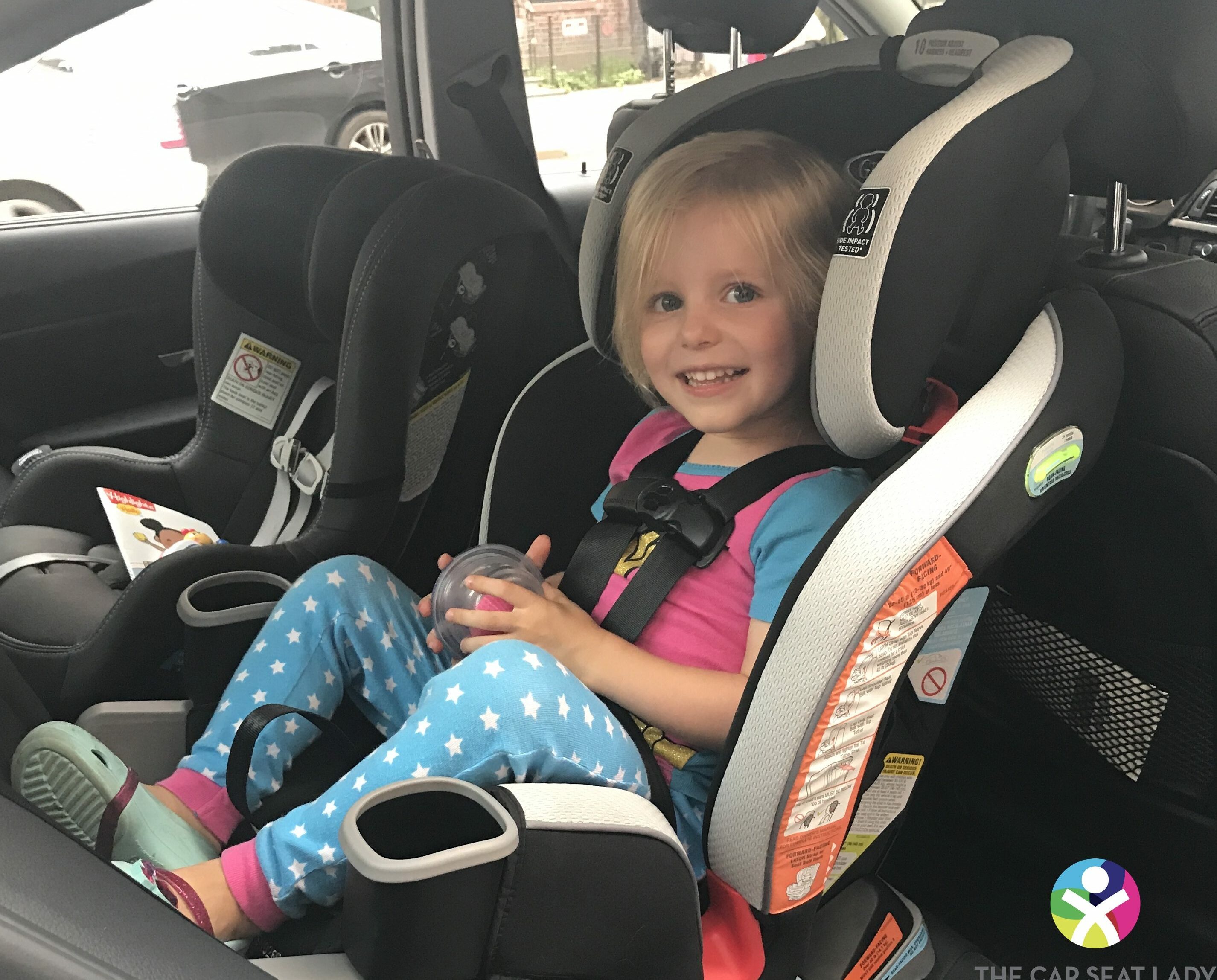
The best time to forward face a car seat is when your child outgrows the rear-facing height or weight limit set by the car seat maker. Until then, keep the seat rear-facing, even if your child has passed age 2.
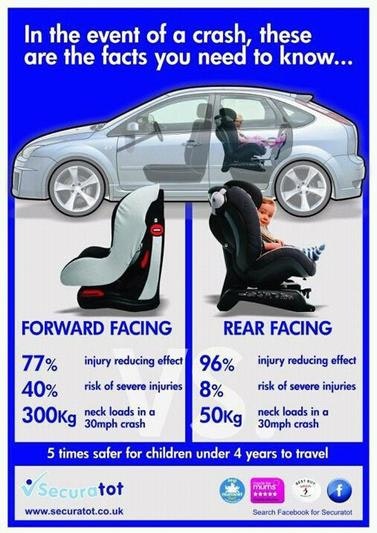
Rear-facing travel supports the child’s head, neck, and spine during a crash. In a rear-facing seat, the shell moves with the child and spreads crash forces across the back. In a forward-facing seat, the harness holds the body, but the head moves forward more sharply.
The American Academy of Pediatrics and the National Highway Traffic Safety Administration advise parents to keep children rear-facing for as long as possible. This usually means until the child reaches the seat’s maximum rear-facing height or weight limit.
Age is only one part of the decision. A child may be ready by age but still fit safely in a rear-facing seat. Another child may reach the seat’s size limit at a younger age. Always check the labels and manual for exact limits.
The phrase when to forward face a car seat does not have one answer for every child. The correct answer depends on the specific seat and the child’s size.
Why Rear-Facing Is Safer for Young Children
Young children have large heads compared with their bodies. Their neck muscles and spinal bones are still developing. This makes them more vulnerable to serious injury during a sudden stop or crash.
A rear-facing car seat acts like a protective shell. It supports the child from the head to the hips and helps reduce stress on the neck. Think of it like catching a water balloon with both hands instead of stopping it with one finger.
Forward-facing seats are safe when used at the correct stage. However, they allow more forward movement of the head in a crash. That is why experts recommend waiting until a child reaches the rear-facing limits.
A 2007 study in the journal Injury Prevention found that rear-facing seats provided better protection for children under age 2 than forward-facing seats. Newer guidance also supports extended rear-facing use when the seat allows it.
Here are key benefits of extended rear-facing travel:
- It gives better support to the head, neck, and spine.
- It spreads crash forces across the child’s back.
- It reduces the chance of the head moving sharply forward.
- It protects children during many types of crashes, including side and front impacts.
- It allows parents to follow the safest stage-based approach.
When parents ask when to forward face a car seat, the most important safety lesson is simple: do not turn the seat just because the child’s legs touch the vehicle seat.

Signs Your Child Has Outgrown Rear-Facing
Your child has outgrown the rear-facing position when one of the seat’s stated limits has been reached. The limit may involve weight, standing height, seated height, or head position.
Check the car seat manual and the labels on the seat. Do not rely on general age charts because limits vary by brand and model.
Look for these signs:
- Your child is above the rear-facing weight limit.
- Your child is above the rear-facing height limit.
- The top of the child’s head is too close to the top of the seat shell, based on the manufacturer’s rule.
- The child’s shoulders or body position no longer fit within the seat’s approved limits.
- The manual says the rear-facing mode has been outgrown.
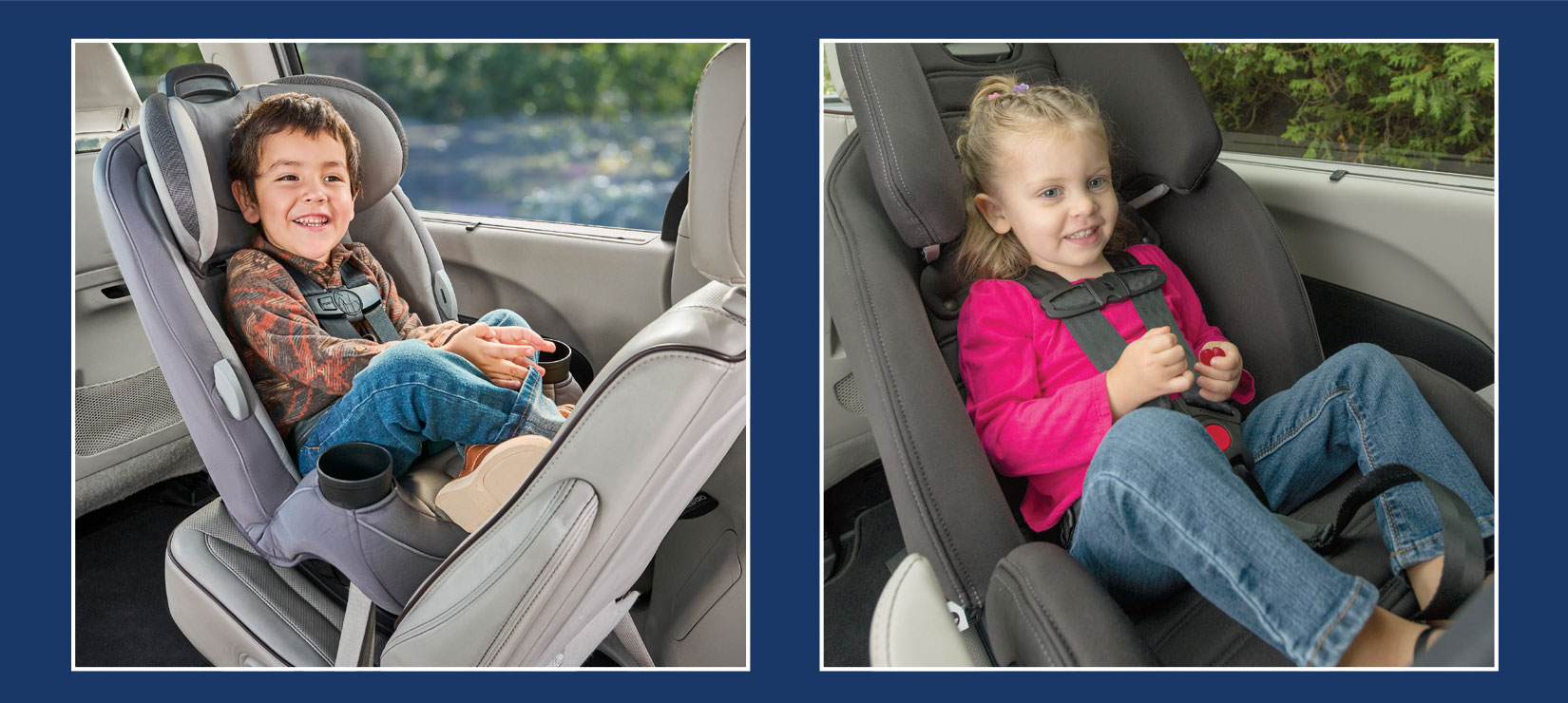
A child’s legs touching the vehicle seat is not usually a reason to turn forward-facing. Many children sit with bent legs, crossed legs, or feet against the seatback. This position is generally normal and does not mean the child is unsafe.
Do not add padding, head supports, or other products that did not come with the seat. These items can change how the harness works during a crash.
The answer to when to forward face a car seat should come from the seat’s instructions, not from how the child looks while sitting.
How to Check Your Car Seat Limits
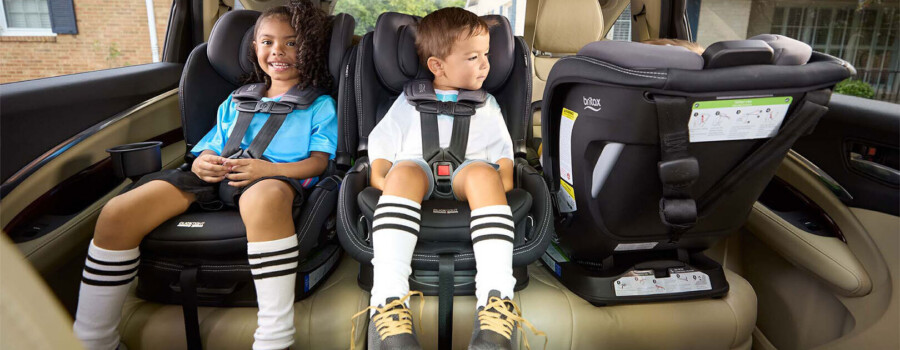
Start by finding the model name and model number. You can usually find them on a label near the side, back, or bottom of the seat. Then read the manual or look up the instructions on the manufacturer’s official website.
Write down these details:
- Rear-facing weight limit
- Rear-facing height limit
- Forward-facing weight limit
- Forward-facing height limit
- Harness height rules
- Head clearance rules
- Installation requirements
- Expiration date
Some convertible car seats allow rear-facing use up to 40 or 50 pounds. Others have lower limits. Infant-only seats may have different height and weight rules and cannot be used forward-facing.
Do not guess when to forward face a car seat if the label is missing. Contact the manufacturer or replace the seat if you cannot confirm its limits.
A certified child passenger safety technician can also inspect the seat. Many local hospitals, fire departments, health agencies, and community programs offer car seat checks. Availability differs by location, so call before visiting.
What to Do After Turning the Seat Forward-Facing
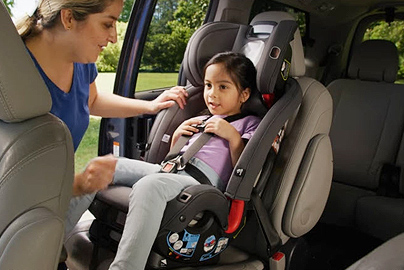
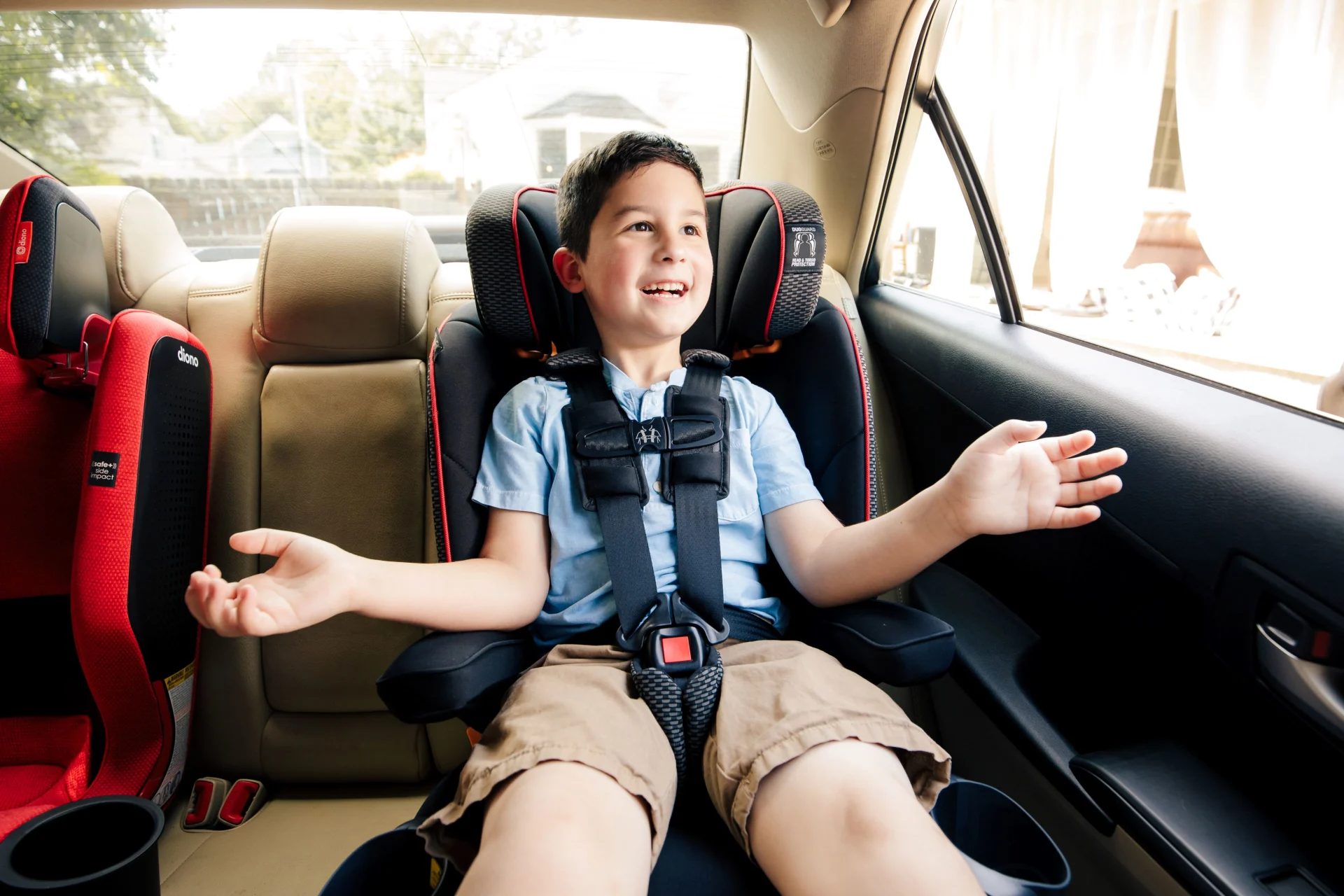
Once your child has outgrown rear-facing limits, install the convertible or combination seat in the forward-facing position. Keep the child in the five-point harness until they reach the forward-facing harness limits.
A forward-facing installation should include the top tether whenever the vehicle and car seat allow it. The top tether limits forward movement of the seat and can reduce head movement in a crash.
Follow these steps:
- Read both the car seat manual and the vehicle owner’s manual.
- Choose an approved seating position.
- Install the seat with the seat belt or lower anchors, as directed.
- Attach and tighten the top tether.
- Check that the seat moves less than one inch from side to side or front to back at the belt path.
- Place the harness straps at or above the child’s shoulders for forward-facing use.
- Tighten the harness until it is snug.
- Place the chest clip at armpit level.
- Remove bulky coats before harnessing the child.
- Check the fit every trip.
Use either the lower anchors or the seat belt unless the manual specifically allows both. Using both systems together without approval may not improve safety and can create an incorrect installation.
When considering when to forward face a car seat, remember that changing the direction is only one part of the process. The tether, harness, recline angle, and installation all matter.
Common Mistakes to Avoid
Many car seat mistakes happen because parents receive advice from family members, social media, or old product instructions. Safety guidance has changed over time, so current manuals and expert recommendations should guide your choice.
Avoid these common errors:
- Turning the seat forward-facing because the child reaches age 2.
- Turning the seat because the child’s legs touch the back of the vehicle seat.
- Using a forward-facing seat without the top tether.
- Placing the harness straps below the shoulders.
- Leaving a thick winter coat under the harness.
- Using an expired, recalled, or damaged seat.
- Moving the child to a booster seat too soon.
- Installing the seat based on memory instead of reading the manual.
- Adding unapproved cushions or accessories.
- Assuming a loose installation is safe because the child seems comfortable.
One practical lesson is worth remembering: comfort is not the same as safety. A child may complain about facing backward, but a short protest is safer than moving to the next stage too soon.
If your child resists rear-facing travel, try a soft toy, a safe mirror approved for your seat setup, music, or a calm explanation. Never place loose items near the child unless they are allowed by the seat and vehicle instructions.

Car Seat Laws and Safety Recommendations
State laws may set minimum requirements for rear-facing use, but the legal minimum is not always the safest choice. Some states require rear-facing use until a certain age, while others focus on weight or height. Laws can change, so check your state’s current child passenger safety rules.
Safety organizations generally recommend using the rear-facing position beyond the minimum legal age when the child still fits within the seat’s limits. This creates an important difference:
- The law tells you the minimum requirement.
- The car seat manual tells you the approved limits.
- Expert guidance helps you choose the safer option within those limits.
A child should remain in a forward-facing seat with a harness after moving out of rear-facing use. Later, the child can move to a belt-positioning booster when they outgrow the harness limits and can sit correctly for the whole ride.
Children should usually remain in a booster until the vehicle lap and shoulder belt fit properly. This often happens between ages 8 and 12, but size and belt fit matter more than age alone.
The safest answer to when to forward face a car seat may be later than your state’s minimum requirement.
A Practical Example
Imagine a 3-year-old who weighs 31 pounds and uses a convertible seat with a rear-facing limit of 40 pounds. The child may still fit rear-facing by both age and weight. In this case, there is no safety reason to turn the seat forward-facing simply because the child has turned 3.
Now imagine a 4-year-old who weighs 43 pounds in that same seat. If the rear-facing weight limit is 40 pounds, the child has outgrown that position. The parent should then install the seat forward-facing and use the harness and top tether according to the manuals.
This example shows why when to forward face a car seat cannot be based on age alone. The actual seat limits control the decision.
Children also grow at different rates. A tall, slim child may reach a height limit first. A smaller child may reach a weight limit later. Check the seat regularly, especially after birthdays and growth spurts.
How a Child Passenger Safety Technician Can Help
A certified child passenger safety technician can check whether the seat fits the child, the vehicle, and the installation position. This can be especially useful after a new baby arrives, after changing vehicles, or when switching from rear-facing to forward-facing.
Bring these items to a seat check:
- The car seat
- The vehicle
- The child, if possible
- Both instruction manuals
- Any questions about harness fit or installation
A technician may show you how to secure the seat, but the final responsibility still belongs to the parent or caregiver. Ask the technician to explain each step so you can repeat it at home.
A seat check does not replace reading the manual. It adds another layer of support and can catch issues that are easy to miss, such as a twisted belt, loose tether, incorrect recline angle, or poorly positioned harness.
Frequently Asked Questions About When to Forward Face a Car Seat
What age should a child face forward in a car seat?
There is no single age that applies to every child. Keep the child rear-facing until they reach the car seat’s rear-facing height or weight limit, then follow the forward-facing instructions.
Is it safe to forward face a car seat at age 2?
A child may legally be allowed to forward-face at age 2 in some places, but that does not mean it is the safest time. Many children can remain safer rear-facing beyond age 2 if they still fit the seat’s limits.
Do a child’s legs touching the seat mean it is time to turn the car seat?
No. Bent legs or feet touching the vehicle seat are common in rear-facing children and usually do not mean the seat has been outgrown. Check the height, weight, and head clearance rules in the manual instead.
Should the top tether be used with a forward-facing car seat?
Yes, use the top tether whenever the car seat and vehicle allow it. It helps limit forward movement and can improve protection during a crash.
When can a child stop using the five-point harness?
A child should use the harness until reaching the forward-facing harness height or weight limit. After that, the child may be ready for a booster if they can sit upright and keep the vehicle belt correctly positioned.
Can a child sit in the front seat after turning forward-facing?
Children should ride in the back seat whenever possible. The back seat offers better protection, and a child must never use a rear-facing seat in front of an active passenger airbag.
Conclusion
The safest time to forward face a car seat is after your child outgrows the seat’s rear-facing height or weight limits. Age, comfort, and leg position do not decide the answer by themselves. Read the car seat manual, follow the vehicle manual, use the top tether, and keep the harness snug.
If you are still unsure when to forward face a car seat, arrange a check with a certified child passenger safety technician. A few minutes of careful review can provide confidence and better protection on every trip. Share this guide with another parent, and keep learning from trusted child passenger safety resources.