

Car seats expire because their materials age, safety standards change, and manufacturers can no longer promise full protection.
Understanding why do car seats expire helps parents make safer choices instead of treating the date on the label as a simple sales tactic. The expiration date reflects years of safety testing, material limits, product support, and real-world use. This guide explains what that date means, what can happen after it passes, and how to decide when a replacement is truly needed.

Why Do Car Seats Expire?
The main reason why do car seats expire is that safety equipment cannot stay in perfect condition forever. A car seat may look clean and strong, but hidden parts can weaken with age. Plastic shells, harness straps, buckles, padding, and labels all have a useful service life.
Car seat makers set expiration dates after testing their products. These dates help them estimate how long the seat should provide reliable protection when used, stored, and maintained as directed.
Common reasons include:
• Materials can age over time, even when the seat is rarely used.
• Plastic may become less flexible after years of heat, cold, and sunlight.
• Harness webbing may wear from daily use, washing, and repeated tightening.
• Buckles and adjusters may collect dirt or lose smooth movement.
• Safety rules and vehicle designs may change.
• Replacement parts, manuals, and customer support may no longer be available.
• The seat may have been involved in a crash that the current owner does not know about.
Think of a car seat like a bicycle helmet. It may look fine after years in a closet, but age, storage conditions, and past impacts still matter. A car seat is designed to manage crash forces in a carefully tested way. Age can affect that performance.
The expiration date does not mean the seat will suddenly fail the next morning. It means the manufacturer no longer promises that the seat meets its original safety, performance, and support standards.
How Car Seat Materials Age
To understand why do car seats expire, it helps to look at the materials inside the seat. The plastic shell carries much of the crash load, while the harness holds the child in position. Small parts also guide, lock, and adjust the restraint system.
Plastic shells
Most car seats use molded plastic. Over time, plastic may become brittle or lose some of its original strength. Long exposure to hot vehicles, freezing temperatures, and direct sunlight can add stress.
A seat left in a garage may face large temperature swings. A seat used daily may experience more wear around the harness slots and belt path. These effects are not always visible during a quick inspection.
Harness straps
Harness webbing is strong, but it is not indestructible. It can suffer from friction, stains, improper cleaning, or repeated use. Never use bleach, harsh chemicals, or unapproved cleaners on harness straps unless the manufacturer specifically allows them.
A harness can also be damaged by twisting. A twisted strap may not spread crash forces as intended. This is one reason caregivers should check the harness each time they install or use the seat.
Buckles and adjusters
Buckles, chest clips, and harness adjusters may become stiff or sticky. Food, dust, sand, and spilled drinks can enter small openings. A buckle that does not click, release, or stay locked correctly is a serious concern.
Do not oil or lubricate a buckle. Use only the cleaning method listed in the seat manual. Some manufacturers allow warm water, while others provide more specific instructions.
Foam and padding
Energy absorbing foam may change with age, pressure, or heat. The foam may not be easy to inspect because it sits under the cover. Extra padding can also create a safety problem if it was not supplied or approved by the manufacturer.
This is why do car seats expire even when the cover looks new. The most important parts may be hidden from view.

Where to Find a Car Seat Expiration Date
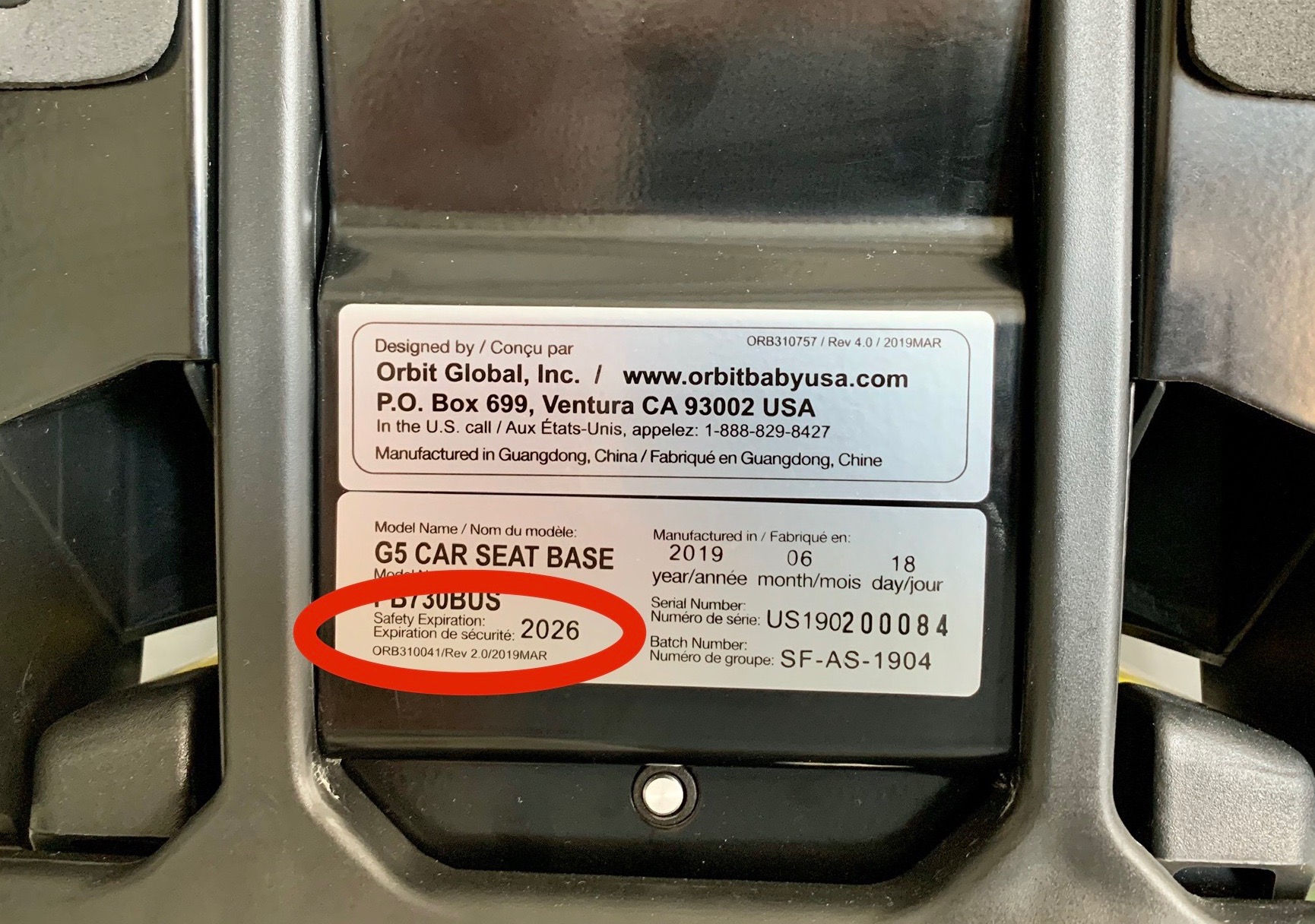
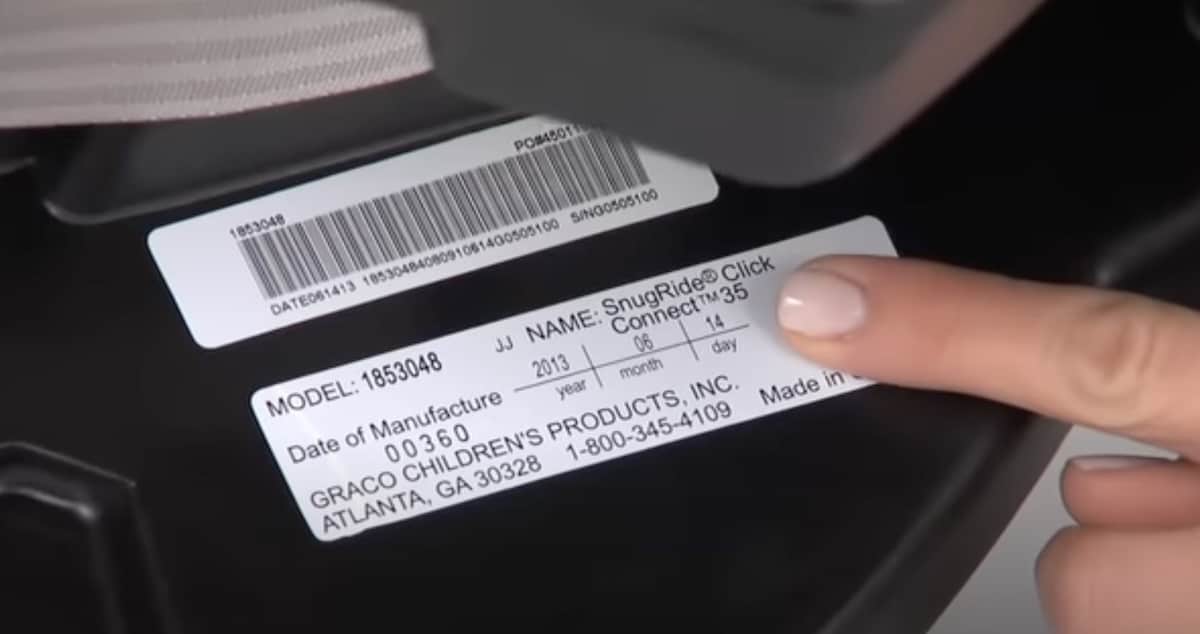
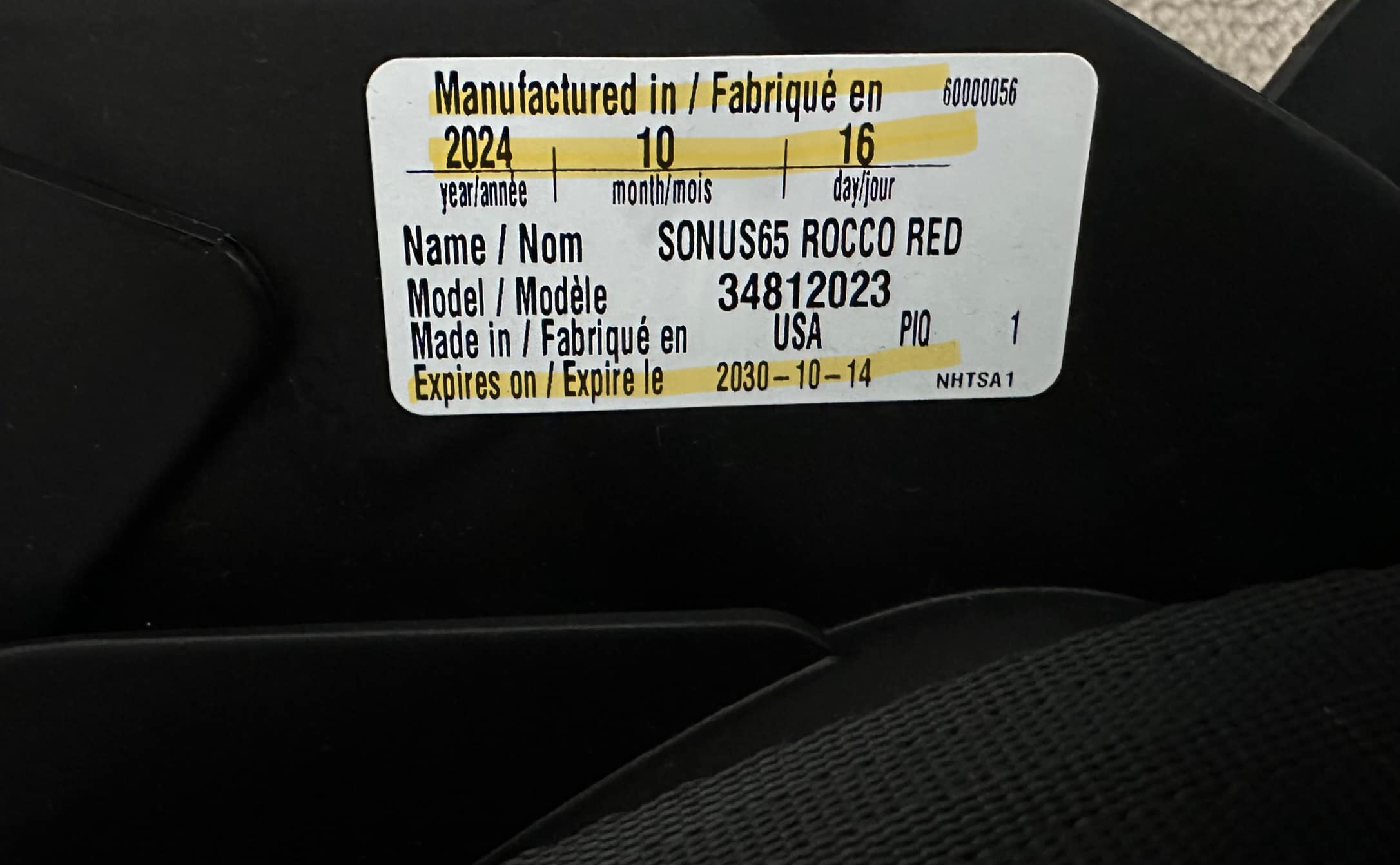
Most car seats have a label with the manufacture date and expiration information. Look on the back, bottom, side, or underside of the shell. Some seats also have the date molded into the plastic.
The label may say:
• “Do not use after” followed by a date
• “Expires” followed by a month and year
• “Useful life” followed by a number of years
• “Manufactured” followed by a date, with instructions to add a set number of years
Do not guess the expiration date. Read the manual or contact the manufacturer if the label is hard to read. The service life may begin on the manufacture date, not the date you bought the seat.
For example, a seat made in June 2021 may expire six years later, even if it stayed in a store for one year. The exact rule differs by brand and model.
If you cannot find the date, do not assume the seat is safe to use. Contact the manufacturer with the model number and other identifying details. If the seat has no readable label and no reliable history, replacing it is often the safer choice.

Does Every Car Seat Have the Same Expiration Period?
No. Car seat expiration dates vary by manufacturer and model. Many seats have a useful life of about six to ten years, but that range is not universal.
Some infant seats expire sooner than convertible seats. Booster seats may have a different service life. The correct answer always comes from the label and manual for that specific seat.
Federal safety rules set performance requirements for child restraints, but they do not create one expiration date for every car seat. Manufacturers choose service-life limits based on their testing, materials, design, and ability to support the product.
This point matters because online advice can be too broad. One person may say every car seat expires after six years, while another may say ten years. Both statements can be wrong for a particular model.
Check these three places:
The expiration label on the seat
The instruction manual
The manufacturer’s customer service team
If the manual and label appear to conflict, ask the manufacturer before using the seat. Keep a photo of the label and model number for your records.
Is It Safe to Use an Expired Car Seat?
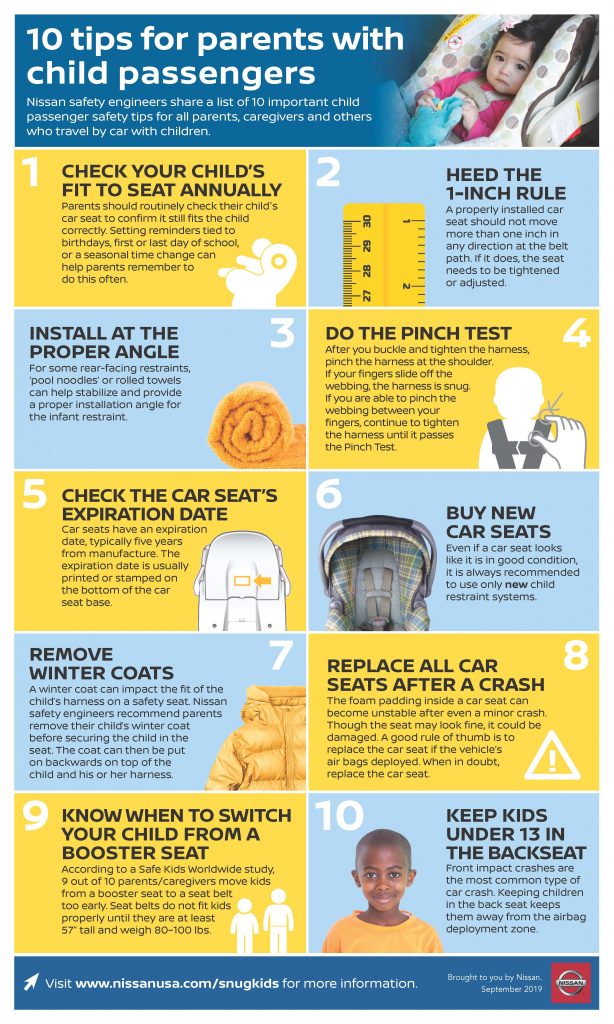
Using an expired car seat is not recommended. After the expiration date, the manufacturer has not promised that the seat will provide the same level of protection.
An expired seat may still look solid. It may still click into place and fit your child. However, those signs do not prove that the seat will perform correctly in a crash.
There can also be practical problems:
• The seat may not fit newer vehicles correctly.
• The manufacturer may no longer make replacement parts.
• The seat may not support current height or weight limits.
• The manual may be difficult to find.
• Newer designs may offer improved installation features.
The expiration date is also important when giving away or selling a used seat. A seat that is legal to sell in one area may still be a poor safety choice. Always disclose the manufacture date, expiration date, crash history, and missing parts.
A useful rule is simple: if the seat is expired, replace it. Do not pass it to another family unless it is clearly within its service life and has a known history.
What About a Car Seat After a Crash?
A crash can damage a car seat even if there are no visible cracks. The seat may absorb force through its shell, harness, foam, or attachment points.
NHTSA advises replacing a child restraint after a moderate or severe crash. Some manufacturers allow continued use after a very minor crash if every condition in their instructions is met. You must check both the crash guidance and the seat manual.
Do not keep using the seat if:
• Someone was injured.
• The vehicle could not be driven away from the crash.
• The door nearest the seat was damaged.
• The airbags deployed.
• There is visible damage to the seat.
• The seat has cracked, bent, or loose parts.
• You are unsure how serious the crash was.
A minor crash checklist may offer an exception, but it is not a universal rule. When in doubt, replace the seat and contact the manufacturer. Many insurance policies cover child seat replacement after a crash, although coverage varies.
This is another part of why do car seats expire: both age and crash history affect the safety margin. A seat can be under its age limit and still need replacement after a collision.
How to Check a Used Car Seat
A used car seat can be safe if it is not expired, has no crash history, includes all parts, and has a clear label. The problem is that buyers often cannot verify those details.
Before accepting a used seat, ask:
What is the brand and model number?
When was it made?
When does it expire?
Has it ever been in a crash?
Has it been recalled?
Are the original instructions included?
Are all inserts, pads, buckles, and harness parts present?
Was it stored in a clean, dry place?
Avoid a seat if the owner cannot answer these questions. Do not accept a seat with unknown history from a yard sale, online listing, or distant relative.
Check for recalls through the manufacturer and the National Highway Traffic Safety Administration. A recall does not always mean the seat must be thrown away, but it does mean you should follow the repair or replacement instructions.
In practical safety checks, missing information is often the biggest warning sign. A clean cover cannot make up for an unknown crash history or an unreadable label.

Common Mistakes Parents Make
Many caregivers learn about car seat expiration only when they prepare for a new baby. That can lead to rushed decisions and preventable mistakes.
Avoid these common errors:
• Assuming an unused seat never expires
• Counting from the purchase date instead of the manufacture date
• Using a seat without checking its model number
• Adding thick aftermarket padding
• Washing harness straps with harsh cleaners
• Ignoring a buckle that sticks
• Reusing a seat after a serious crash
• Using an old seat because it “looks brand new”
• Forgetting to check for recalls
• Moving a seat between cars without reinstalling it carefully
One lesson worth remembering is that convenience can hide risk. It may feel wasteful to replace a seat that looks fine, but the cost of a new seat is small compared with the protection it provides.
If money is tight, look for local programs that provide low-cost or free car seats. Certified child passenger safety technicians may also help families choose and install an appropriate seat.

How to Dispose of an Expired Car Seat
Do not place an expired car seat in a donation bin unless the program specifically accepts it. Another family might mistake it for a safe, usable seat.
Before disposal:
• Remove the cover and padding.
• Cut the harness straps.
• Write “expired” or “unsafe” on the shell.
• Remove the buckle if possible.
• Follow local recycling rules.
Some stores and community programs hold trade-in events. Recycling options vary because car seats contain several materials joined together. Contact your local waste service or the manufacturer for current guidance.
Destroying the seat helps prevent accidental reuse. This step is especially important when the seat has been in a crash or has missing parts.
Frequently Asked Questions: Why Do Car Seats Expire?
Why do car seats expire if they are not used?
Why do car seats expire when they sit in storage? Materials can still age due to time, heat, cold, and humidity, even without daily use. The manufacturer also limits the period in which it can guarantee product performance and support.
Can I use a car seat after the expiration date?
Using an expired car seat is not recommended. The seat may look normal, but the manufacturer no longer guarantees its safety performance, parts, or compatibility after that date.
Does the expiration date begin when I buy the car seat?
Usually, the service life begins on the manufacture date, not the purchase date. Check the label and manual because the exact rule differs among brands and models.
How long do car seats usually last?
Many car seats last about six to ten years, but there is no single period for every seat. Follow the expiration date printed on your specific seat or provided by its manufacturer.
Do car seats expire after a minor crash?
A minor crash may not always require replacement, but only if the manufacturer’s conditions are met. Replace the seat after a moderate or severe crash, or whenever you are unsure about the crash details.
Can I donate an expired car seat?
Do not donate an expired car seat for use by another child. Mark it as expired, damage the harness, and follow local disposal or recycling guidance.
Conclusion
Why do car seats expire? They expire because plastic, harnesses, buckles, and hidden protective materials can age, while vehicles, safety guidance, and product support also change. The date is the manufacturer’s limit for reliable use, not a suggestion to ignore.
Check your child’s seat today. Find the manufacture date, confirm the expiration date, review the crash history, and replace the seat if any key detail is unknown. For more help, read the manual, check recall information, or ask a certified child passenger safety technician for an installation review.