How Long Can A Baby Be In A Car Seat: Safe Time Limits
Babies should not sit in a car seat for more than 1–2 hours continuously.
As a pediatric safety enthusiast and parent coach, I’ve worked with dozens of families and child-safety experts to understand exactly how long can a baby be in a car seat and why that limit matters. Over the years—and through many road trips with my own kids—I’ve refined a simple, safe approach parents can use right away. This article gives you clear, practical guidance on time limits, risks, real-world tips, and safe alternatives so you can make the best choices for your child’s comfort and safety. I’ll also share what has worked for families I coach and what I do in my own car. Expect easy steps, plain language, and advice you can trust.

Why the time limit matters: breathing, posture, and comfort
Understanding how long can a baby be in a car seat starts with three simple concerns: breathing, posture, and comfort. Infants have soft airway tissues and limited neck control. When a baby sits semi-reclined for too long, the head can fall forward. That can narrow the airway and lower oxygen levels (also called desaturation).
Car seats are built for crash protection, not extended rest. The shell, harness, and angle are designed to keep your child safe in a collision. But a long stretch in one position adds pressure to a small torso and spine. It also limits movement. This can lead to discomfort, skin irritation, and—especially in very young infants—a risky head slump.
Experts and clinical reports support what many parents call the “2-hour rule.” Limit uninterrupted time in a car seat and add frequent breaks. For most healthy babies, that means planning drives and stops so you avoid asking the question: how long can a baby be in a car seat without harm? Short, frequent breaks help keep breathing open and posture safe.

Recommended time limits by age and situation
Safe limits vary by age and by whether the baby is sleeping, feeding, or riding awake. Use these guidelines to plan trips and daily routines. Always treat them as practical limits, not strict rules. Your baby’s cues come first.
- Newborns to 2 months
- Aim for no more than 30–60 minutes continuously.
- Infants in this age range have the least head control and the highest sensitivity to position.
- Keep the recline angle closer to newborn settings to prevent head slump.
- 2 to 6 months
- Limit to about 60–90 minutes if baby is awake and supervised.
- If baby falls asleep, plan a stop and a short break before continuing.
- Give floor time during breaks to move, roll, and stretch.
- 6 to 12 months
- 90–120 minutes is a reasonable maximum for most healthy babies.
- Consider frequent breaks for feeding, diapering, and tummy time.
- Check for overheating in warm weather and adjust layers.
- 12 months and older
- Up to 2 hours may be okay if baby is alert and posture is upright.
- Still prioritize regular stops and movement.
- Make sure straps pass the pinch test and the chest clip sits at armpit level.
These are practical limits, not hard rules. Always observe your child’s breathing, coloring, comfort, and alertness. If you travel often, use these guidelines to ask: how long can a baby be in a car seat for this trip? Adjust based on age, health, and weather. If you have any medical concerns, talk with your pediatrician before long drives.
Risks of keeping a baby in a car seat too long
Knowing why we limit time helps you make safer choices. Key risks include:
- Airway compromise
- Forward head slump can narrow the airway, especially in newborns.
- Even slight restriction can lower oxygen in small infants.
- Positional asphyxia
- Rare but serious; occurs when the position blocks breathing.
- Discomfort and pressure injuries
- Red marks, chafing, and pressure on fragile skin can develop.
- Excessive time can also play a role in flat head syndrome (plagiocephaly).
- Delayed physical development with extreme misuse
- Excessive time in infant carriers or seats may reduce supervised tummy time.
- Overheating
- Layers and straps can trap heat during long rides.
- Heat stress increases fast in summer or in a warm car.
Research and clinical reports support limiting continuous time in a car seat, which answers the core concern: how long can a baby be in a car seat before these risks grow. Shorter stretches and frequent posture checks reduce those risks.

Practical tips for safe car seat use and travel planning
Make each trip safer and more comfortable with these actionable tips I use with the families I coach—and in my own car.
- Plan short driving windows
- Break trips into 30–60 minute segments for newborns, 60–90 for older infants.
- Set a timer so you do not push past the 2-hour rule.
- Use scheduled stops
- Pull over in safe locations to take baby out, change, feed, and check position.
- Use rest areas or quiet parking lots to reset and stretch.
- Watch the baby’s posture
- Ensure the head isn’t slumped; straps are snug and chest clip at armpit level.
- Use the pinch test: if you can pinch harness webbing at the shoulder, tighten a bit more.
- Avoid long naps in car seats at home
- Bring baby inside and place on a firm, flat surface after the ride.
- Remember the safe sleep basics: on the back, in a crib or bassinet, no extra items.
- Alternate seating when possible
- If on long trips, swap drivers or passengers to take the baby out more often.
- Have an adult ride in back to monitor posture on longer drives.
- Keep the car cool and ventilated
- Dress baby in light layers and check for overheating.
- Avoid bulky coats in the seat; add a blanket over the harness if needed after buckling.
- Use travel-friendly gear correctly
- Only use approved car seats for travel; avoid aftermarket products that change angle.
- Check your seat’s recline indicator on every ride.
These steps help answer “how long can a baby be in a car seat” with real-world solutions that fit busy family life. Small changes make a big safety difference.

My experience and lessons learned
I’ve advised new parents during many road trips and hospital visits. One family I worked with drove three hours with a newborn without stops. The baby slept deeply but arrived pale and fussy. After checking, we learned the head had dropped forward for long periods. We changed habits: stop every 45 minutes, take baby out briefly, and keep feeds on schedule. The mood and breathing immediately improved.
In my own car, I keep a “stop kit” ready: diapers, wipes, water, a spare swaddle, and a small play mat. I plan my route by safe places to pull over. If the baby sleeps, I still stop by 60–90 minutes. The break is short, but it matters.
Lessons I learned:
- Short, frequent breaks make a big difference.
- Trust instincts: if a ride feels long, stop sooner.
- Educate caregivers and taxi/ride-share drivers on safe handling and time limits.
- Check the seat angle and harness every ride. Little slips add up over miles.
These personal experiences underline practical answers to how long can a baby be in a car seat and why the recommended limits matter.

Alternatives and what to do on long trips
Sometimes long travel is unavoidable. Use safer alternatives and plan ahead.
- Consider a medical stroller system for long transfers
- For extended travel involving walking, approved strollers allow better positioning.
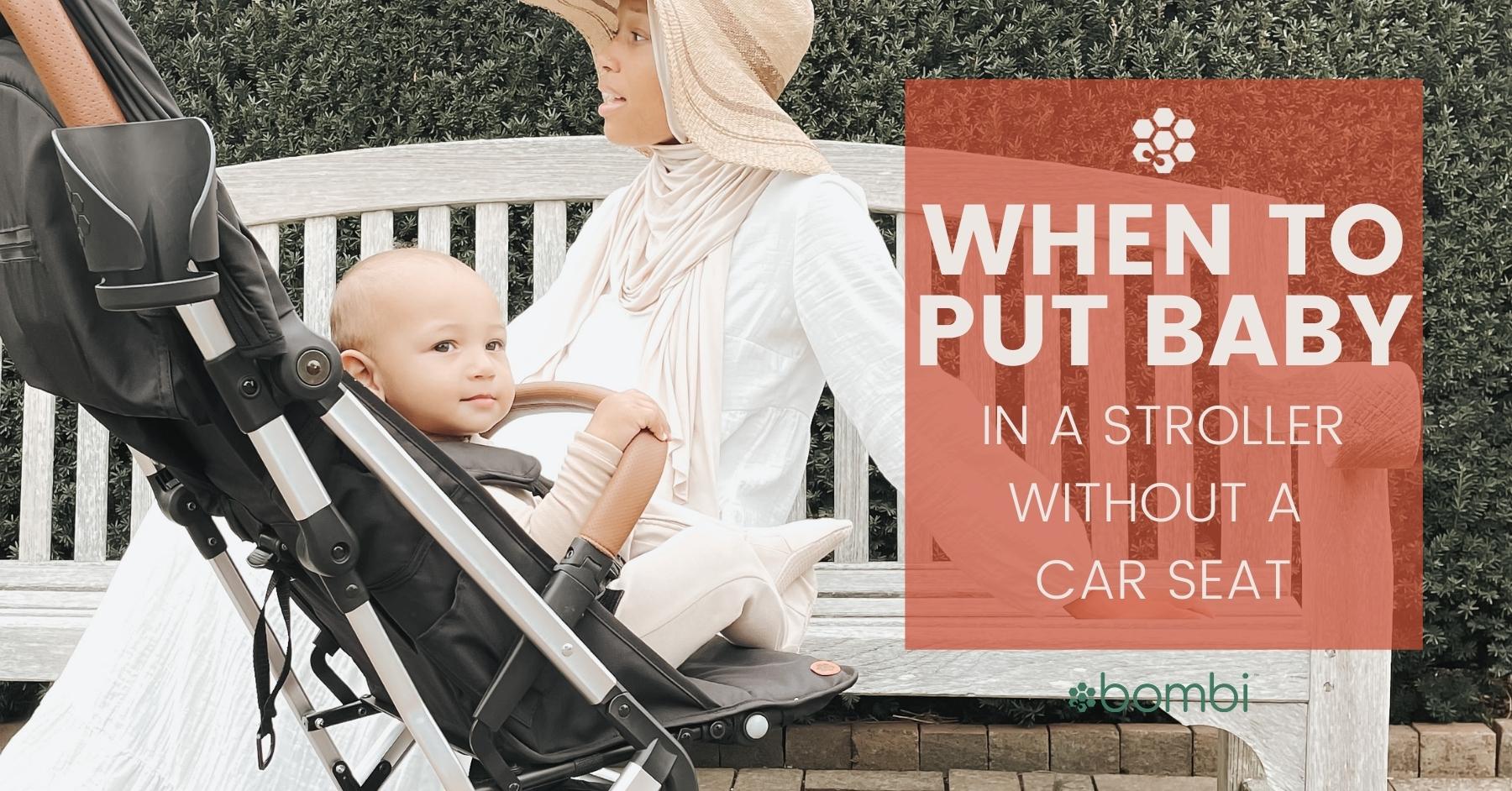
- Use the stroller seat (if age-appropriate) rather than leaving baby in the infant car seat shell for long periods.
- Use rest stops actively
- Take 10–15 minutes out of the seat to stretch and change routine.
- Offer a feed, a diaper change, and a short floor play session.
- Schedule travel around naps
- Drive while baby is awake, then stop for nap time in a safe place.
- Transfer to a firm, flat sleep surface when possible.
- Talk to your pediatrician
- If your infant has medical needs, ask the clinician about customized limits.
- Get advice on reflux, respiratory issues, or preterm birth considerations.
Preparation reduces stress and keeps your baby safer during necessary longer rides. If you ask how long can a baby be in a car seat on a trip, plan to include these alternatives. A simple plan—drive, break, reset—works well for most families.
Common myths and clarifications (PAA-style quick questions)
What if my baby sleeps better in the car seat?
- Many infants do sleep in car seats, but prolonged sleep in a car seat can increase positional risk. Take short breaks and transfer baby to a flat, safe sleep surface when possible.
Can I use a car seat as a regular baby seat at home?
- No. Car seats are crash protection devices, not everyday chairs. Extended home use can lead to poor posture and breathing issues.
Does a convertible seat change the time limit?
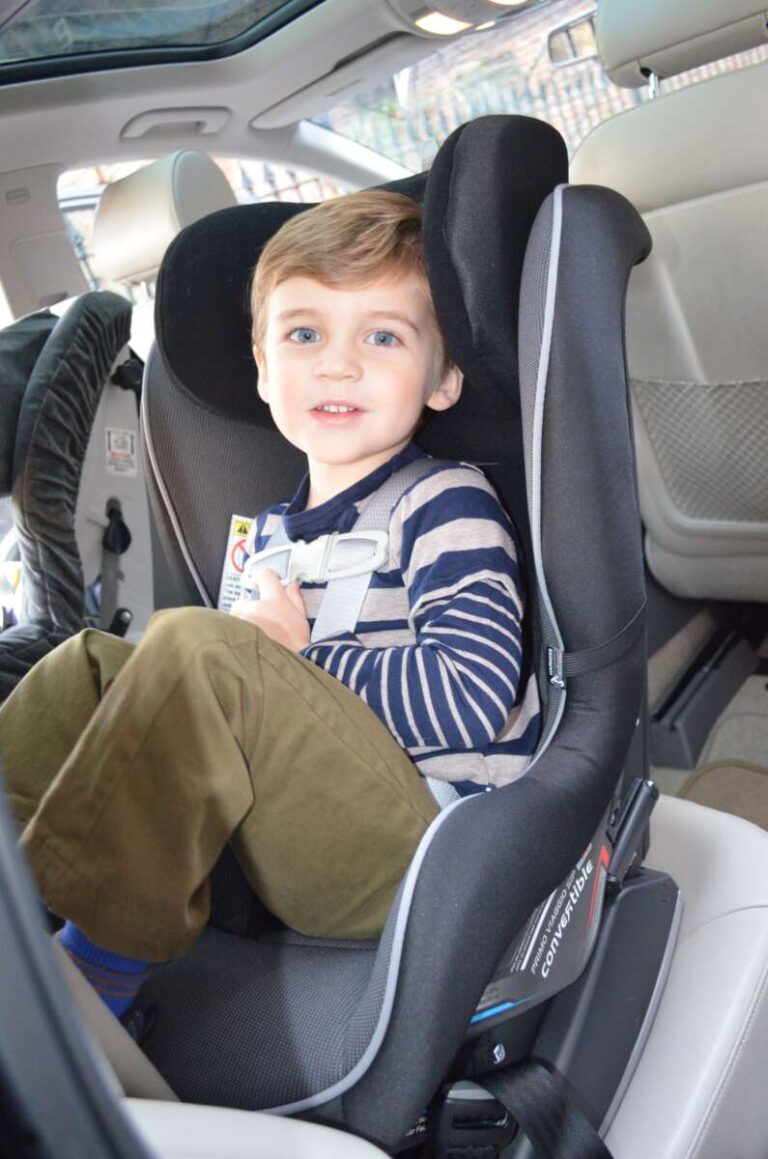
- Convertible seats improve fit as babies grow, but the same time concerns about slumping and comfort apply. Monitor posture and limit continuous time.
Are in-flight car seat rules different?
- Air travel has specific rules for car seats approved for aircraft use. Time limits for airway concerns remain similar; take breaks when feasible.
Do car seat inserts change safe duration?
- Inserts can improve fit for newborns but do not remove the need for time limits. Always follow manufacturer guidance and pediatric advice.
How to check fit and angle every ride (quick setup guide)
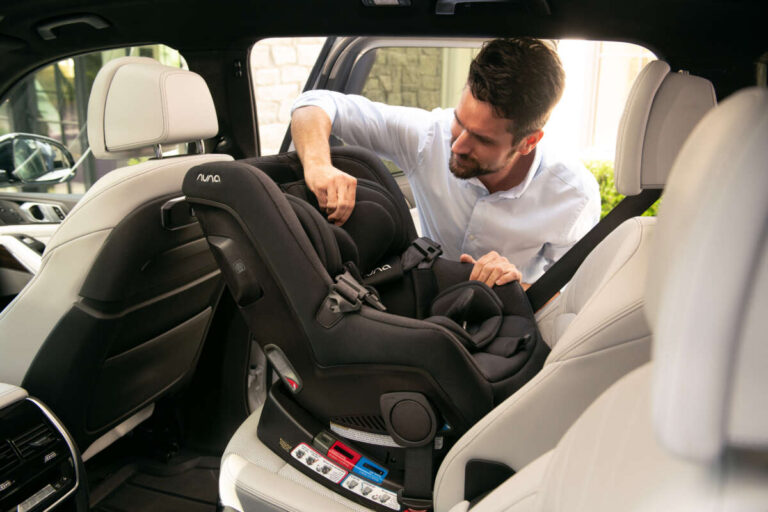
- Seat position
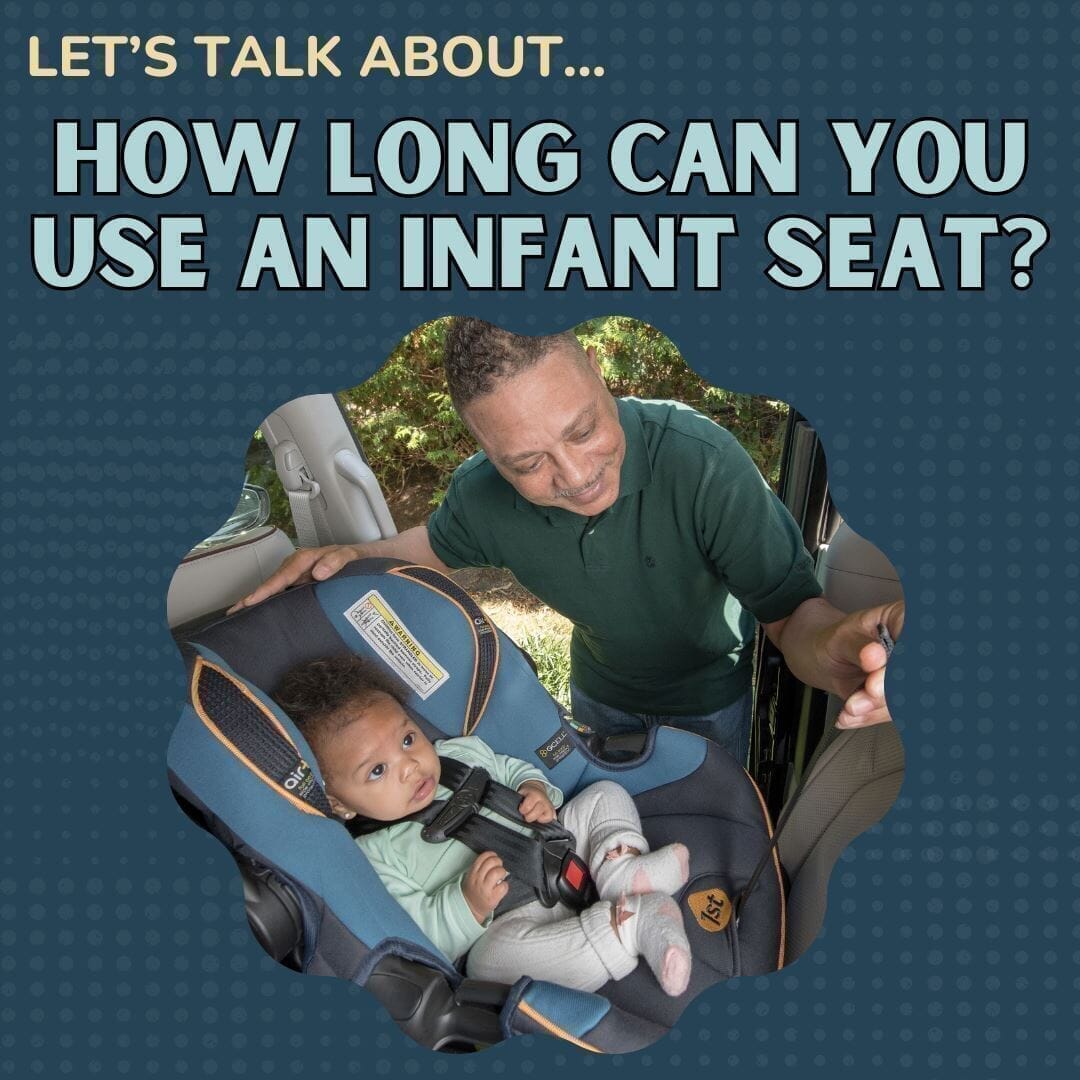
- Use the back seat. Never place a rear-facing seat in front of an active airbag.
- Center position is often safest if your vehicle allows a secure install.
- Angle and recline
- Newborns need a deeper recline (often near 45°). Check the level indicator on your seat.
- As your baby grows, many seats allow a more upright angle within the rear-facing range.
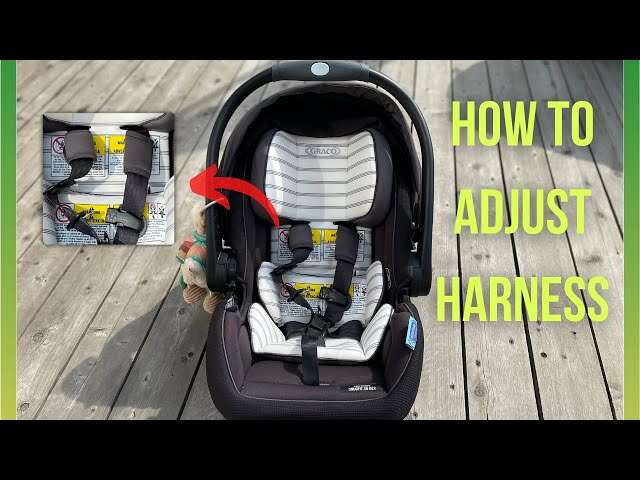
- Harness fit
- Straps at or below the shoulders for rear-facing.
- Chest clip at armpit level. Use the pinch test for tightness.
- Install method
- Use LATCH/ISOFIX or the seat belt—whichever gives a tighter install (movement under 1 inch at the belt path).
- Do not combine LATCH and seat belt unless your manual says so.
- Accessories
- Avoid add-ons not approved by the seat maker. They can change fit and angle.
Special situations: preemies and babies with medical needs
Some infants need tighter limits or special checks.
- Preterm or low birth weight
- Use shorter windows (often 20–30 minutes) until your pediatrician says longer is safe.
- Many hospitals do a “car seat tolerance test” before discharge. Follow that plan.
- Reflux or airway concerns
- Keep a closer eye on head position. Plan extra stops to burp and reset posture.
- Muscle tone issues or torticollis
- Work with your therapist for seat positioning tips and frequent movement breaks.
When to stop the car right away and call your pediatrician
- Pale, gray, or bluish coloring around lips or face
- Noisy, labored, or very shallow breathing
- Marked head slump that does not improve with repositioning
- Unusual sleepiness or a sudden hard-to-wake state
- Vomiting with choking or breathing changes
If any of these occur, stop, remove your baby from the seat, and seek medical advice. Trust your gut.
What experts say: AAP and safety best practices in plain language
Child passenger safety guidance lines up with what parents see in real life.
- Rear-facing as long as possible within height and weight limits.
- Limit continuous time in infant seats; add frequent breaks.
- Move baby to a flat, firm surface for sleep after the ride.
- Check your car seat manual for proper angle and installation steps.
This is the simple summary I share with families: short rides, frequent stops, flat sleep after the drive, and a careful eye on posture.
Sample long-drive plan (with stop schedule)
Here is how I plan a 4-hour trip with a 3-month-old:
- Hour 0: Start with a fresh diaper and a feed. Check harness and angle.
- Minute 60–75: Stop for 10–15 minutes. Take baby out, burp, and stretch.
- Minute 135–150: Second stop. Diaper, feed, tummy time on a clean mat.
- Minute 210–225: Third stop. Quick reset and posture check.
- Arrive: Transfer baby to a flat, safe sleep space if still sleepy.
This plan keeps each continuous stretch under 90 minutes. It also fits the 2-hour rule and your baby’s natural rhythm.
After the ride: safe sleep and transfers
- Do not let a baby continue a long nap in the car seat indoors.
- Move to a crib, bassinet, or play yard on the back, on a firm surface, with no loose items.
- If baby wakes during transfer, offer a short soothing routine and try again.
Seasonal tips: heat, cold, and comfort
- Summer
- Pre-cool the car. Check seat temperature before loading.
- Offer light layers and watch for sweat at the neck and hairline.
- Winter
- No bulky coats in the seat. Buckle first, then place a blanket over the harness.
- Warm the car ahead of time when possible.
Small comfort tweaks help your baby stay calm and safe during each ride.

Frequently Asked Questions of how long can a baby be in a car seat
How long can a baby be in a car seat at a time?
Most healthy infants should be out of the car seat every 60–90 minutes; newborns need shorter breaks of 30–60 minutes.
Is it safe for a baby to sleep in a car seat during a long drive?
Short naps in a car seat are common, but prolonged sleep can raise positional breathing risks; plan regular stops and transfers to a flat sleep surface when possible.
Can a car seat harm a newborn if used for several hours?
Extended continuous use can increase risk for airway compromise and pressure issues in newborns; avoid several hours without breaks.
Are there signs my baby is in distress while in a car seat?
Watch for pale or bluish coloring, noisy or shallow breathing, extreme sleepiness, or slumping of the head; stop and check immediately.
What should I do on a long road trip with an infant?
Plan frequent stops, alternate who holds the baby outside the seat, keep feeds and diaper changes on schedule, and consult your pediatrician if you have concerns.
Does rear-facing vs. forward-facing change time limits?
Time limits stay similar. Rear-facing is safer for head, neck, and spine. Still plan frequent breaks to prevent head slump and overheating.
Do I need to replace my car seat after a crash or as my child grows?
Replace after a moderate or severe crash and when the seat expires or your child outgrows height or weight limits. Check your manual for exact rules.
What about using a travel system stroller with the infant seat?
Handy for short errands, but do not keep a baby in the car seat for long periods on the stroller. Move to the stroller seat (if age-appropriate) or a flat bassinet for longer outings.
Conclusion
Keeping your baby safe in transit means balancing protection with comfort. Limit continuous time in a car seat based on age: shorter for newborns, a bit longer as they grow. Watch posture, plan regular breaks, and use alternatives when travel is long. These simple steps reduce risk and make travel smoother for everyone.
Take action today: review your travel plans, set stop timers on trips, and discuss any questions with your pediatrician. If this helped, subscribe for more child-safety tips or share your experiences in the comments.