How Many Inches of Water Can Float a Car: Discover Facts
Title tag (suggested): How Many Inches of Water Can Float a Car? Flood Safety & Survival Guide
Meta description (suggested): Learn how many inches of water can float a car, why vehicles lose control in shallow water, safety tips, what to do if your car is trapped, and what to keep in your vehicle. Turn Around — Don’t Drown.
Introduction
Have you ever looked at a puddle and thought, “I can make it”? Many of us have places to be, deadlines to meet, and kids to pick up. That single thought can be deadly when water is on the road. This guide explains exactly how many inches of water can float a car, why even a few inches are dangerous, and what to do if you find yourself in flooded conditions. Read on for clear, actionable safety steps and practical prevention tips.
Quick answer (short, SEO-friendly)
- Loss of control: from about 6 inches of standing water
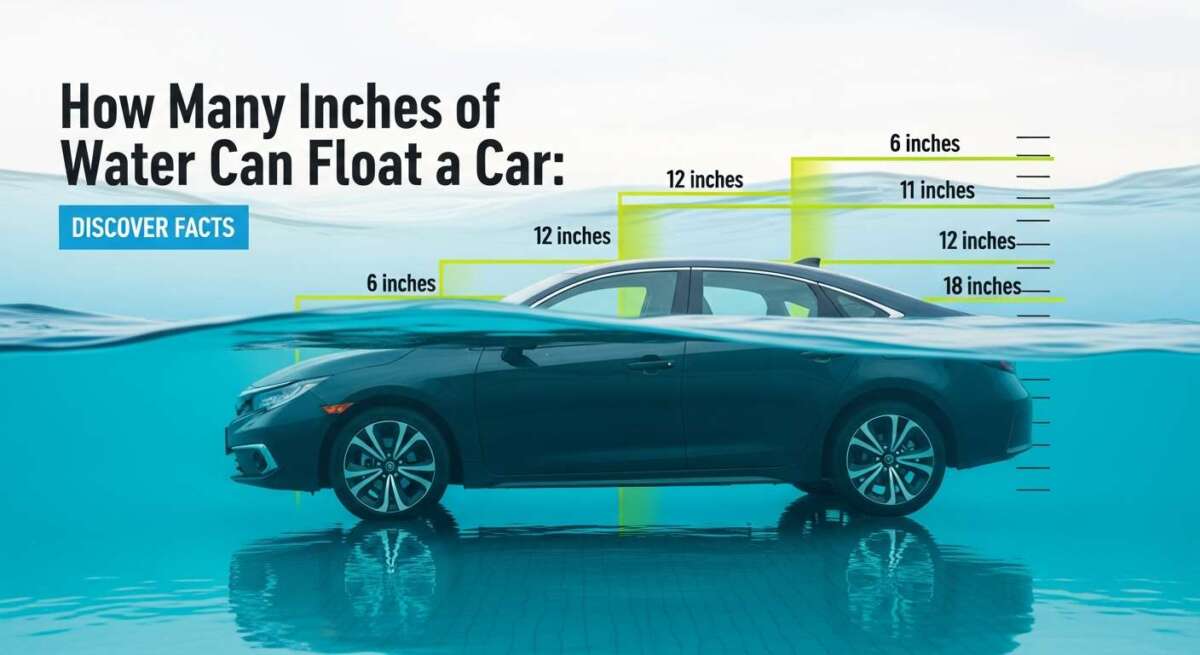
- Small cars begin to float: around 12 inches (1 foot)
- Most vehicles swept away: 18–24 inches (1.5–2 feet) or less when water is moving
Why a heavy car can “float” in shallow water
Buoyancy and displacement
- When a vehicle enters water, it displaces water. If the displaced water’s upward force (buoyancy) exceeds the vehicle’s effective weight in water, the vehicle will lift.
- Tires trap air and act like small buoys, increasing lift and reducing tire traction.
Shape and trapped air
- Cars aren’t solid blocks of steel — underbody cavities and tires trap air that helps the vehicle float sooner than you’d expect.
The critical role of moving water
- Moving water multiplies the danger. Even shallow, fast-moving water exerts hydraulic force and can push a vehicle off the road or flip it.
- The National Weather Service warns that only 12 inches of moving water can carry off a small car; two feet can carry away most vehicles.
Real-world story: a near-miss
One rainy night I trusted a familiar road and drove through a shallow-looking crossing. Within seconds I felt the steering go light and useless — like driving on ice. The tires regained grip in time, but the panic and shaking lasted for hours. That experience taught me the difference between confidence and physics: you don’t out-drive floodwater.
Depth guide: what each level of water can do
- 0–3 inches: Generally safe if stationary, but can hide potholes and debris.
- 4–6 inches: Enough to reach the bottom of many passenger cars; can cause loss of traction and stall some small vehicles.
- ~12 inches (1 foot): Small cars may float; tires can lose road contact and steering becomes ineffective.
- 18–24 inches (1.5–2 feet): Most vehicles, including SUVs and pickups, risk being lifted and swept away, especially if water is moving.
Vehicle type differences
- Compact cars and sedans: Lower ground clearance and lighter weight make them the most vulnerable.
- SUVs and pickups: Higher clearance helps briefly, but larger tires increase buoyancy and top-heavy designs can tip or roll in strong currents.
- Electric vehicles (EVs): Heavier batteries may delay flotation but water exposure risks electrical faults, corrosion, and potentially hazardous battery issues. Water and high-voltage systems don’t mix.
Hidden hazards beneath floodwater
- Washed-out roads and sinkholes: The road surface may be gone beneath deceptively calm water.
- Debris and obstacles: Submerged branches, rocks, and debris can puncture tires, damage oil pans, or immobilize a vehicle.
- Hydraulic force: Water is heavy; fast-moving water acts like a battering ram and can easily overpower a vehicle.
If you see water on the road: Turn Around, Don’t Drown
The simplest, smartest rule: if you can’t tell how deep water is or if it’s moving, do not enter. The National Weather Service motto “Turn Around, Don’t Drown” saves lives.
If you’re trapped in rising water: quick survival steps
Follow this S.W.O.C. protocol:
- S — Seatbelts Off: Unbuckle immediately so you can move.
- W — Windows Down: Open windows right away. Electric windows often work for a short time after water enters.
- O — Out Immediately: Exit through a window. Doors are extremely difficult to open until internal and external pressure equalize.
- C — Children First: Remove children and passengers first, then get out yourself.
Other critical tips if trapped
- Do not restart a stalled engine — it can cause hydrolock and permanent engine damage.
- If windows won’t open and the car is filling, use a window-breaker tool to escape. Keep one accessible in the center console or glove box.
- Stay calm and act quickly — seconds matter.
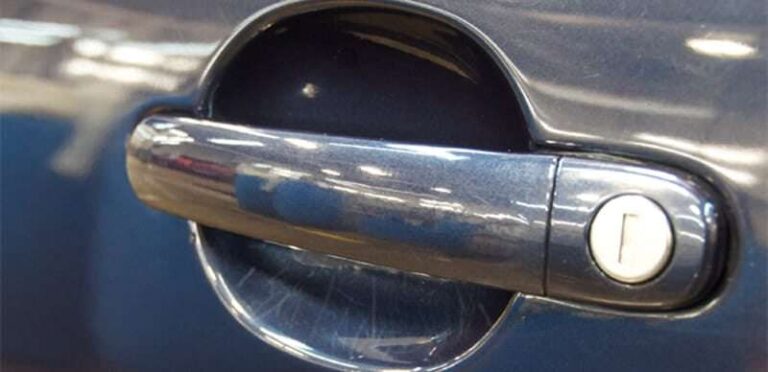
Why you shouldn’t open the door
Water pressure outside the vehicle will usually prevent doors from opening until the car fills with water. Opening the door wastes time and energy and increases drowning risk. Windows are the safest exit.
What to keep in your car (flood-safety kit)
- Window breaker and seatbelt cutter
- Fully charged power bank and waterproof flashlight
- Emergency blanket and spare clothes in a waterproof bag
- Non-perishable snacks and bottled water
- list of emergency contacts and your insurance agent’s number
After the flood: assessing damage and next steps
- Safety first: don’t start the car if it was submerged. Water in the engine can cause hydrolock.
- Signs of water damage: mud, musty smells, wet carpets, engine stalling, electrical faults.
- Electrical checks: modern cars have many computer systems; water can cause long-term failures.
- Insurance: contact your insurer immediately. Flood damage is typically covered under Comprehensive (not Collision) policies. Document damage with photos and notes.
FAQs (SEO-friendly and concise)
Q: How many inches of water can float a car?
A: Small cars can begin to float at about 12 inches; many vehicles can lose traction at ~6 inches; 18–24 inches can sweep most vehicles away — especially if water is moving.
Q: Is it safe to drive through 4 inches of water?
A: Only if the water is still, very shallow, and you proceed extremely slowly. However, 4 inches can hide potholes or sharp objects. Avoid moving water entirely.
Q: What is hydrolock and why is it dangerous?
A: Hydrolock occurs when water enters the engine cylinders; since water is incompressible, pistons can be damaged, often destroying the engine.
Q: Can I open my car door underwater?
A: No — the water pressure outside typically prevents opening until the interior fills. Use windows or emergency tools.
Q: Does car insurance cover flood damage?
A: Flood damage is usually covered under Comprehensive insurance. Liability-only policies typically do not cover flood damage. Contact your agent to confirm coverage.
Practical prevention checklist (short)
- Check weather forecasts before driving in stormy conditions.
- Avoid low-lying roads and underpasses during heavy rain.
- Follow posted road-closed signs and barricades.
- Keep a flood-safety kit in your car.
- Teach passengers the S.W.O.C. protocol and practice calm responses.
Suggested internal/external links to boost SEO and user value
- Link to National Weather Service flood safety page (external, authoritative).
- Link to local emergency management / FEMA flood-safety resources (external).
- Link to other site pages on safe driving tips, EV safety, or car maintenance (internal).
Image ALT text suggestions
- ALT for vehicle-in-flood-photo: “Car partially submerged in floodwater — how many inches of water can float a car”
- ALT for road-washout-photo: “Road washed out by floodwater — hidden road hazards during storms”
Bonus: JSON-LD FAQ schema (optional)
Include structured FAQ schema on the page to improve search appearance. (Provide JSON-LD markup to your developer, with the FAQs above.)
Conclusion: Safety over speed
Water is deceptively powerful — it doesn’t take deep water to make a car float or lose control. Remember: Turn Around, Don’t Drown. If you see floodwater on your route, find another way. A few minutes saved is not worth a life.
Call to action
Share this guide to help friends and family stay safe in storms. Download our printable flood-safety checklist (suggested) or subscribe for more driving safety tips.
If you want, I can:
- Produce a printable one-page checklist or infographic for sharing.
- Generate JSON-LD FAQ markup for your page.
- Optimize this article further for a specific keyword target, city, or audience. Which would you prefer?