

Cool wheels, proper cleaner, soft brushes, and gentle rinsing safely remove most brake dust without damaging the finish.
Brake dust is a mix of metal particles, carbon, and road grime. It can cling to wheels like fine soot and may bake onto the surface after repeated braking. Learning how to remove brake dust from car wheels the right way protects the finish, improves appearance, and helps you spot damage early. This guide explains safe products, proven steps, common mistakes, and simple ways to slow future buildup.
What Is Brake Dust and Why Does It Stick to Wheels?
Brake dust comes mainly from friction between brake pads and rotors. Small particles break away during braking and settle on the wheel. The dust may contain iron, carbon, resin, and other materials from the pad and rotor.
Fresh brake dust is usually easy to wash away. Heat changes that quickly. Hot wheels can bond the dust to the clear coat, paint, or metal surface. Water alone may remove loose dirt, but it often cannot lift baked-on particles.
Brake dust tends to build up faster when:
• You drive in heavy traffic or on steep roads
• Your vehicle has semi-metallic brake pads
• You use performance brakes
• You drive in wet or salty conditions
• You wait many weeks between wheel washes
• Your wheels have a rough, damaged, or unprotected finish
Heavy dust on one wheel can also signal a mechanical issue. A sticking caliper, worn pad, or damaged rotor may create unusual dust or heat. If one wheel is much dirtier than the others, have the brake system inspected.

What You Need to Remove Brake Dust From Car Wheels
The right tools make the work safer and faster. You do not need an expensive detailing setup, but you do need products that match the wheel finish.
Gather these supplies:
• A hose or pressure washer with a wide spray pattern
• A pH-neutral wheel cleaner
• An iron-removing wheel cleaner for stubborn contamination
• Two or more soft wheel brushes
• A narrow brush for lug nuts and tight spaces
• A soft microfiber towel
• A bucket filled with clean water
• Nitrile gloves and eye protection
• A separate bucket for wheel cleaning
Use a wheel cleaner labeled safe for your wheel type. Painted, clear-coated, powder-coated, polished aluminum, chrome, and anodized wheels do not all react the same way to chemicals.
Avoid strong household cleaners, oven cleaner, bleach, and unknown acid-based products. Some professional wheel cleaners contain hydrofluoric acid or ammonium bifluoride. These chemicals can cause serious injury and may permanently stain wheels, brake parts, glass, or nearby paint. A mild product may take more time, but it gives you a safer margin for error.

How to Remove Brake Dust From Car Wheels Step by Step
Follow these steps when the wheels are cool to the touch. Never spray a strong cleaner on hot wheels. Heat can dry the product too fast and leave stains.
1. Park in a shaded, safe area
Park on a level surface and engage the parking brake. Let the wheels cool for at least 30 minutes after driving. If the wheel still feels hot, wait longer.
Do not clean wheels near freshly applied asphalt or in direct, strong sunlight. A cool, shaded surface gives the cleaner time to work without drying too quickly.
2. Rinse away loose dirt
Rinse each wheel from top to bottom. Use enough water to remove sand, grit, and loose dust before touching the finish.
This step matters because dry grit can act like sandpaper under a brush. A gentle rinse reduces the risk of swirl marks and fine scratches.
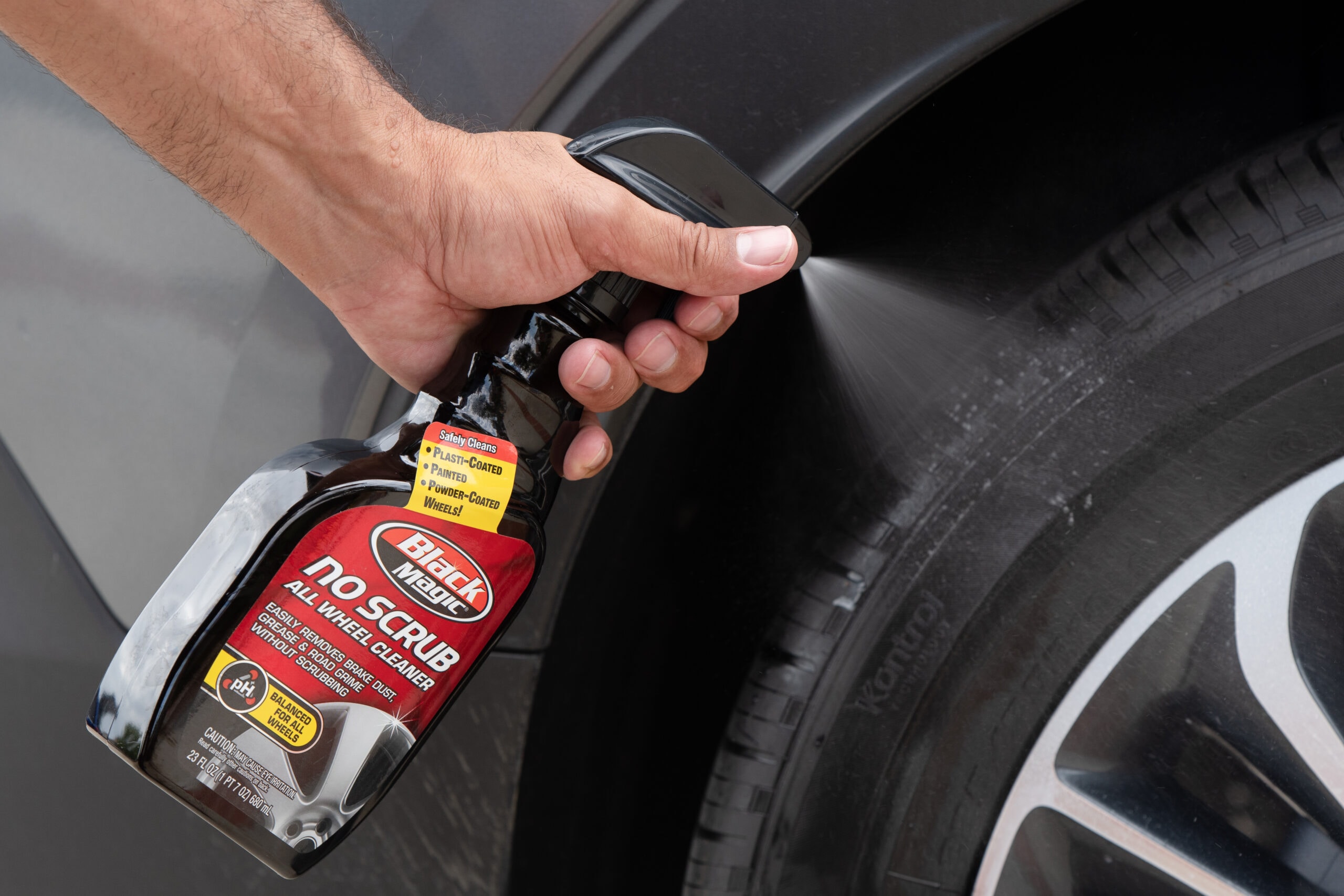
3. Apply the wheel cleaner
Spray the cleaner over one wheel at a time. Cover the face, spokes, lug nuts, barrel, and inner rim where you can reach.
Follow the product label for dwell time. Most cleaners need only a few minutes. Do not let the product dry on the wheel. If it begins to dry, rinse it off and work in a smaller area.
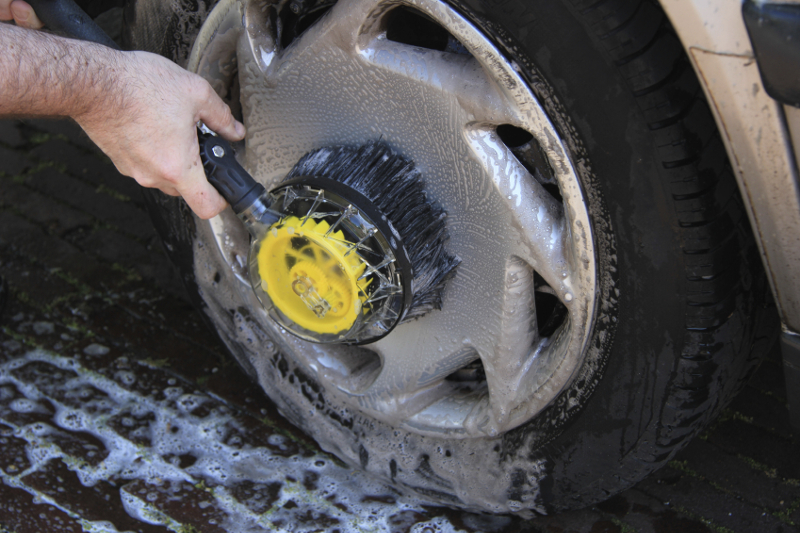
4. Agitate the surface with soft brushes
Use a soft wheel brush on the spokes and face. Use a smaller brush around lug nuts, valve stems, and tight corners.
For the inner barrel, use a long, flexible brush that fits without forcing it. Move slowly and rinse the brush often. Start with the least dirty area and finish with the dirtiest section.
Do not use a hard household brush, steel wool, abrasive pad, or old toothbrush with stiff bristles. These tools can scratch clear coat and polished metal.
5. Treat iron contamination if needed
An iron remover can help with stubborn, embedded brake dust. Spray it on a cool, rinsed wheel and follow the label. Many iron removers turn purple as they react with iron particles.
The color change is useful, but it does not mean the product can remain on the wheel forever. Agitate gently if the label allows it, then rinse thoroughly. Iron remover loosens contamination; it does not replace brushing or proper rinsing.
6. Rinse thoroughly
Rinse from the top down until all cleaner and loosened dirt are gone. Pay close attention to the back of the spokes, lug holes, and brake caliper area.
Cleaner trapped in a seam can leave residue or cause discoloration. A gentle stream often works better than a sharp jet that pushes grime deeper into small gaps.
7. Dry the wheels
Dry the wheel with a clean microfiber towel or use compressed air to blow water from the lug holes and seams. Water spots can form when minerals remain on the finish.
Use a separate towel for wheels. Brake dust can remain in the fabric and scratch painted body panels later.
8. Inspect your work
Look for remaining dark spots, rough patches, chipped paint, corrosion, or signs of overheating. If the wheel feels rough after washing, it may still have bonded iron particles.
Repeat the cleaning process rather than scrubbing harder. Patience is safer than pressure.
How to Clean Different Wheel Finishes
Wheel material affects your cleaning method. When you are unsure, check the vehicle manual or wheel manufacturer’s care instructions. Test any new product on a hidden area first.
Painted and clear-coated wheels
These are common on modern vehicles. Use a pH-neutral wheel cleaner, soft brushes, and gentle pressure. Avoid harsh acids and abrasive compounds.
A damaged clear coat can allow moisture and brake dust to reach the metal below. If the finish is peeling or cloudy, cleaning will not repair it.
Powder-coated wheels
Powder coating is tough, but it is not impossible to damage. Mild soap or a compatible wheel cleaner is usually suitable. Avoid products that dry on the surface.
Small chips should be repaired early. Brake dust and road salt can collect under damaged areas and promote corrosion.
Polished aluminum wheels
Polished aluminum can stain or haze when exposed to aggressive chemicals. Choose a product made for polished metal and rinse quickly.
Do not assume that a shiny wheel has a clear coat. Some polished wheels need a dedicated metal polish, while others should not be polished at all.
Chrome wheels
Chrome can resist normal washing, but pitting and peeling need special care. Use a gentle cleaner and a soft towel. Never use abrasive pads on chrome.
If the chrome is already lifting, no cleaner can restore the damaged plating. Professional repair or replacement may be the best option.
Anodized wheels
Anodized finishes can react badly to strong cleaners. Use a mild product designed for anodized surfaces and keep the dwell time short.
When in doubt, contact the wheel maker before using an iron remover or acidic cleaner.

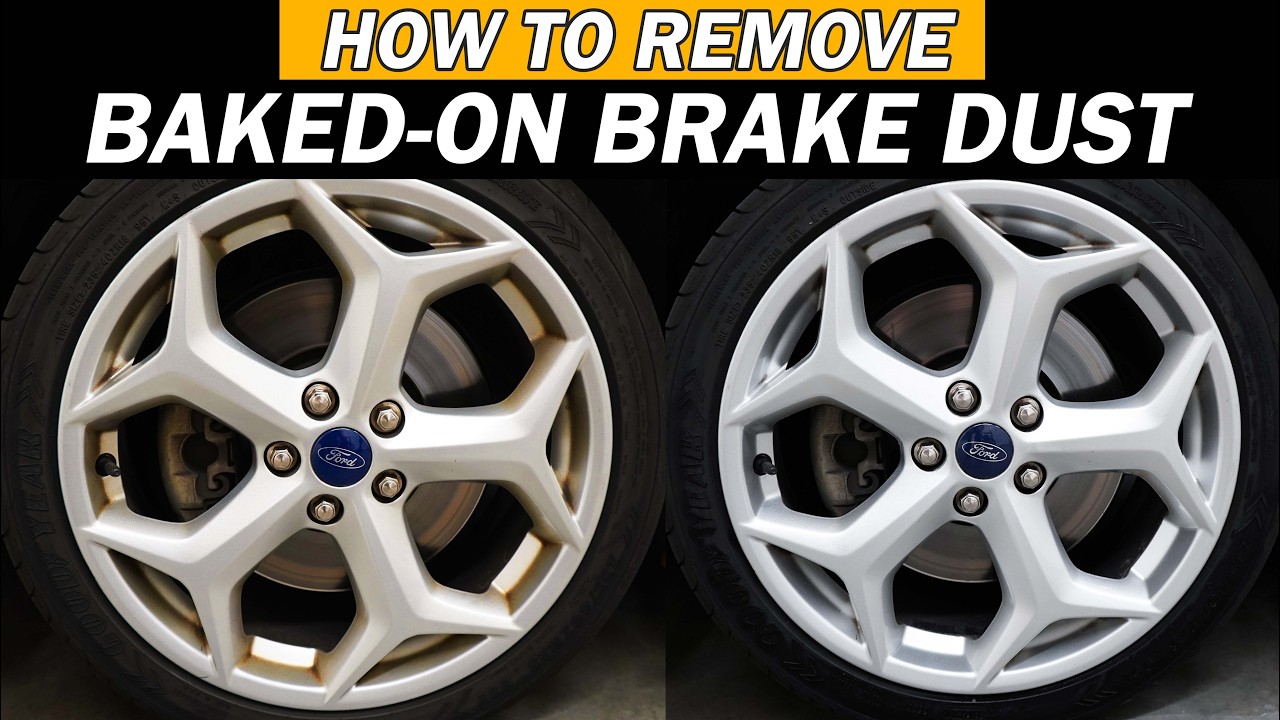
How to Remove Stubborn, Baked-On Brake Dust
Some brake dust will not disappear during one normal wash. This often happens when the wheels have been neglected, exposed to high heat, or coated with an old layer of road film.
Use this method:
- Wash and rinse the wheel first.
- Apply a safe iron remover and allow it to work as directed.
- Agitate gently with a soft wheel brush.
- Rinse completely.
- Repeat once if needed.
- Use a fine synthetic clay mitt only if the wheel finish allows it.
- Apply a wheel sealant or coating after the surface is clean.
Do not reach for a razor blade or aggressive compound. Those methods may remove contamination, but they can also cut into the clear coat.
In my own detailing tests, the biggest mistake was trying to remove baked-on dust in one hard pass. Several short cleaning cycles worked better than heavy pressure. The wheel looked cleaner, and the finish kept its gloss.
If the surface still feels rough after cleaning, a professional detailer can assess whether the problem is bonded contamination, clear-coat failure, oxidation, or corrosion.
How to Protect Wheels After Cleaning
Clean wheels stay cleaner when you add a protective layer. Protection does not stop brake dust, but it helps prevent particles from bonding tightly.
Good options include:
• Spray sealants for quick application
• Wheel wax for traditional protection
• Synthetic paint sealants for longer durability
• Ceramic coatings made for high-temperature wheel surfaces
Apply protection only to a clean, dry wheel. Follow the product instructions and keep the coating away from brake rotors, pads, and friction surfaces.
Wash protected wheels every one to two weeks when possible. Frequent light cleaning is safer than allowing months of dust to bake onto the finish.
A wheel coating also makes rinsing easier. Think of it as a rain jacket for the wheel: it does not prevent every drop, but it keeps grime from gripping the surface as strongly.

Mistakes to Avoid When Cleaning Brake Dust
Many wheel problems come from the cleaning method rather than the dust itself. Avoid these common errors:
• Cleaning hot wheels, which can cause cleaner to dry and stain
• Using dish soap as a long-term wheel-care solution
• Spraying cleaner on brake rotors or pads
• Letting wheel cleaner dry on the surface
• Using one dirty brush on every wheel
• Scrubbing with steel wool or rough pads
• Mixing different cleaning chemicals
• Using an acidic cleaner without checking the wheel finish
• Rinsing too lightly around lug holes and calipers
• Applying tire dressing to the brake rotor
Never mix wheel cleaners with bleach, ammonia, acids, or other chemicals. Chemical reactions can release harmful fumes or damage the wheel.
Keep children and pets away from the work area. Wear gloves and eye protection, and follow the safety instructions on the product label.

How to Reduce Future Brake Dust
You cannot eliminate brake dust completely. Every friction brake system creates some dust. However, you can reduce buildup with better maintenance.
Try these habits:
• Clean the wheels on a regular schedule
• Use a wheel sealant or wheel coating
• Choose low-dust brake pads when compatible with your vehicle
• Avoid aggressive braking when traffic and road conditions permit
• Check tire pressure and brake condition during routine service
• Have a mechanic inspect one-sided dust or unusual wheel heat
• Remove road salt and winter grime promptly
Low-dust brake pads may reduce visible residue, but they are not automatically better in every way. Pad choice affects stopping feel, noise, rotor wear, temperature tolerance, and performance. Use parts that meet the vehicle manufacturer’s specifications.
If one wheel produces thick dust after a short drive, do not treat it as a cosmetic problem only. A sticking caliper can create heat, uneven pad wear, reduced fuel economy, and unsafe braking.
How Often Should You Clean Brake Dust From Car Wheels?
For most drivers, cleaning the wheels every one to two weeks is a practical target. Drivers in cities, mountains, snowy regions, or areas with frequent rain may need to clean them more often.
A quick rinse and gentle wash take far less effort than removing months of baked-on residue. Regular care also lets you notice wheel cracks, tire damage, leaking brake fluid, and uneven brake wear sooner.
Your schedule may change with the season. Winter road salt deserves prompt removal, while summer driving may create more dust during long trips or mountain descents.
Frequently Asked Questions About How to Remove Brake Dust From Car Wheels
What is the safest cleaner for brake dust?
A pH-neutral wheel cleaner labeled safe for your specific wheel finish is the safest starting point. For embedded iron particles, use an iron remover according to its instructions and rinse it fully.
Can I use vinegar to remove brake dust?
Vinegar may help with some mineral residue, but it is not the best general wheel cleaner. Its acidity can affect sensitive finishes, so a product made for automotive wheels is usually a safer choice.
Can pressure washing remove brake dust?
Pressure washing can remove loose dirt and dust when used with a wide spray pattern and safe distance. It may not remove bonded contamination, and spraying too close can damage valve stems, wheel finishes, or brake components.
Is brake dust harmful to car wheels?
Brake dust can stain or bond to wheel finishes, especially when mixed with heat and moisture. It may also speed corrosion on damaged or unprotected surfaces, although normal dust does not usually harm a healthy wheel immediately.
Why does one wheel have more brake dust than the others?
Uneven dust may result from normal brake design, airflow, or wheel position. A large difference between wheels can also point to a sticking caliper, uneven pad wear, or another brake problem that needs inspection.
How do I remove brake dust from chrome wheels?
Use a mild, chrome-safe cleaner, a soft brush, and plenty of water. Avoid abrasive tools and strong acids, especially if the chrome is pitted, peeling, or already damaged.
Can brake dust be removed without removing the wheels?
Yes, most brake dust can be cleaned with the wheels installed. Removing the wheels gives better access to the inner barrel, but it should be done only with proper lifting equipment and safe wheel installation.
Conclusion
Removing brake dust from car wheels is safest when you work on cool surfaces, rinse away grit, use a compatible cleaner, and brush gently. Stubborn contamination may need an iron remover and several light treatments, not harsh scrubbing. Wheel protection and regular washing make future cleaning much easier.
Start with one wheel, test your product on a hidden area, and take your time. If you notice unusual heat or heavy dust on one wheel, arrange a brake inspection instead of treating the issue as simple dirt. Share your wheel-care routine or explore more trusted car detailing guides for your next maintenance project.