When To Forward Face Car Seat: Safe Age & Tips
Keep your child rear-facing until at least age 2 or until the car seat’s forward-face limits are met.
I write about child passenger safety from years of hands-on work testing seats and teaching new parents in the field. In this guide, I explain when to forward face car seat use, why timing matters, and how to make the switch safely. You will get clear, simple rules, the “why” behind them, checklists you can use today, and real tips I learned the hard way. My goal is to help you feel calm, confident, and in control every time you buckle your child.

When to forward face: age, weight, and height guidelines
Many parents ask when to forward face car seat. The short rule is simple and clear. Keep children rear-facing as long as possible. Most modern convertible car seats allow rear-facing up to 40 pounds or more. Many experts recommend waiting until age 2 or beyond. In practice, many kids can rear-face to 3 or even 4 with the right seat.
Key factors to check before you forward face car seat:
- Age: Aim for at least 2 years old, and often older if the seat allows. Extended rear-facing is both common and safe.
- Weight: Follow the car seat manufacturer’s forward-face weight limit exactly. Do not guess.
- Height: Make sure your child has not outgrown the rear-facing height limit for the seat. Check the manual for how the brand measures this.
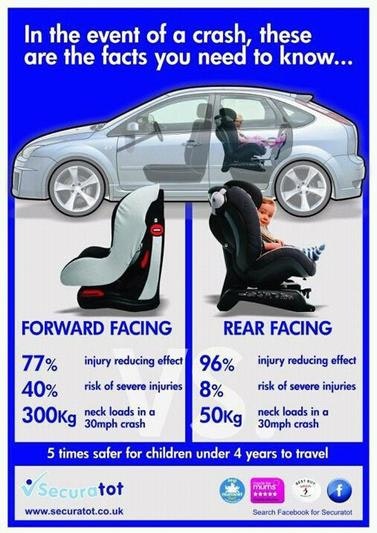
Why these rules matter. Rear-facing supports the head, neck, and spine in a crash. It spreads crash forces across the back of the shell. When you forward face car seat too early, neck and head movement can be higher. Use your seat manual and your child’s measurements to decide, not a birthday alone.
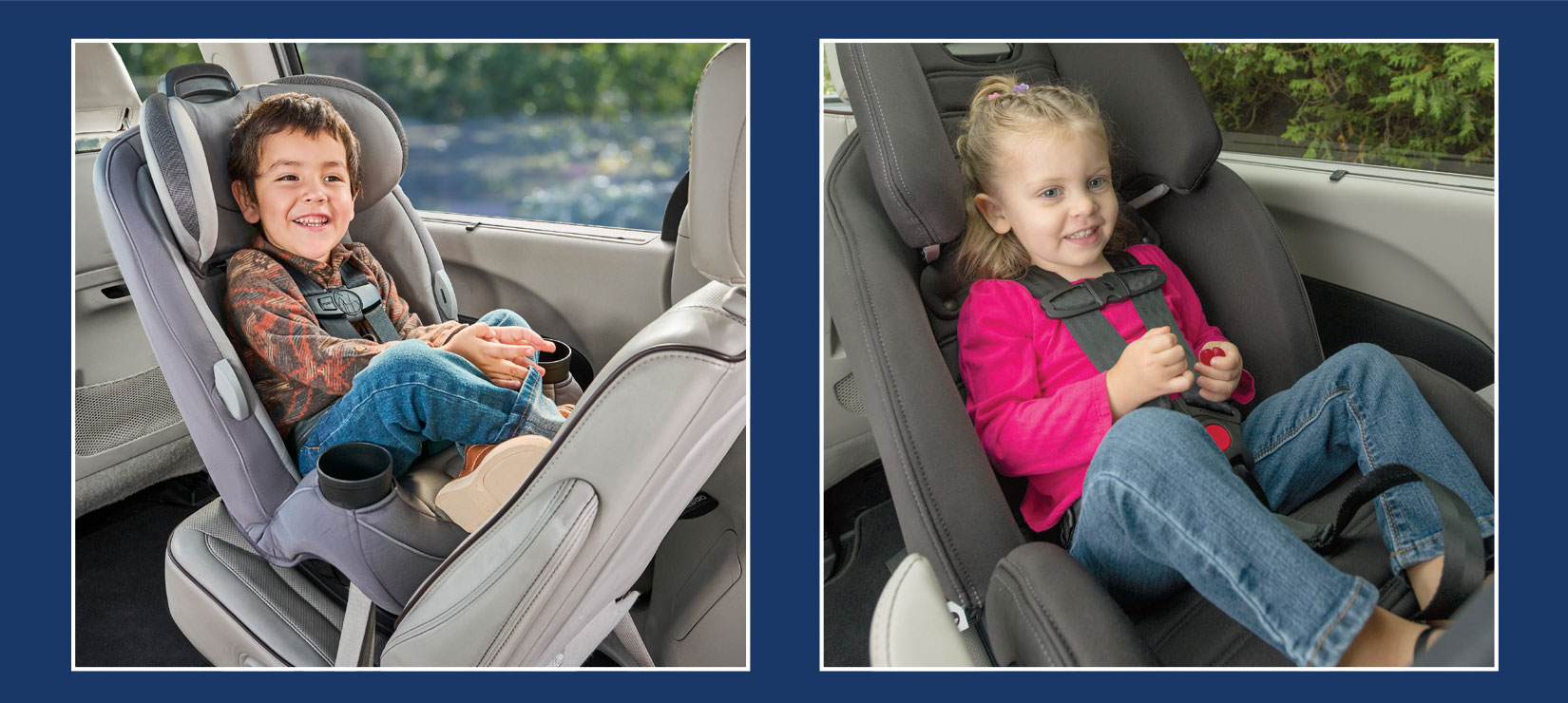
Quick pro tip: Legs touching the back seat are not a reason to switch. Kids sit cross‑legged or frog‑legged with ease. Comfort is not the same as safety.
Rear-facing vs. forward-facing: the safety science in simple terms
Here is the easy way I explain it during car seat checks:
- Rear-facing acts like a strong cradle. It supports the head and neck. In a crash, your child “rides down” the force across the seat shell.
- Forward-facing relies more on the harness and the top tether to limit head movement. This works well when your child is big enough and the seat is installed right.
- That is why we wait. Younger spines and ligaments need more support. Extra months rear-facing can make a real difference.
Related safety terms you may hear: “top tether,” “head excursion,” “belt path,” “LATCH,” “recline angle,” “anti-rebound,” and “energy-absorbing foam.” You do not need to be an expert to use them well. You do need your manuals and a few simple checks (I list them below).
Signs your child is ready to transition
Not every child moves forward facing at the same time. Look for these signs before you forward face car seat:
- Head clearance: The top of the child’s head reaches the rear-facing height limit for your seat. Some brands use a set inch mark or a head level line.
- Harness fit: You can place the harness at or above the shoulders when forward facing, and it fits snugly with no slack.
- Behavioral readiness: The child can sit upright without slumping and can keep the chest clip at armpit level for the length of trips.
If one of these signs is missing, delay and keep the child rear-facing. Meeting the minimum age does not mean the child is physically ready to forward face car seat.
Comfort check: If your rear-facing toddler looks cramped, try a more upright allowed recline, adjust strap covers, or move the seat slightly for leg room if your vehicle allows. Do not switch early just for comfort.
How to transition safely to a forward face car seat
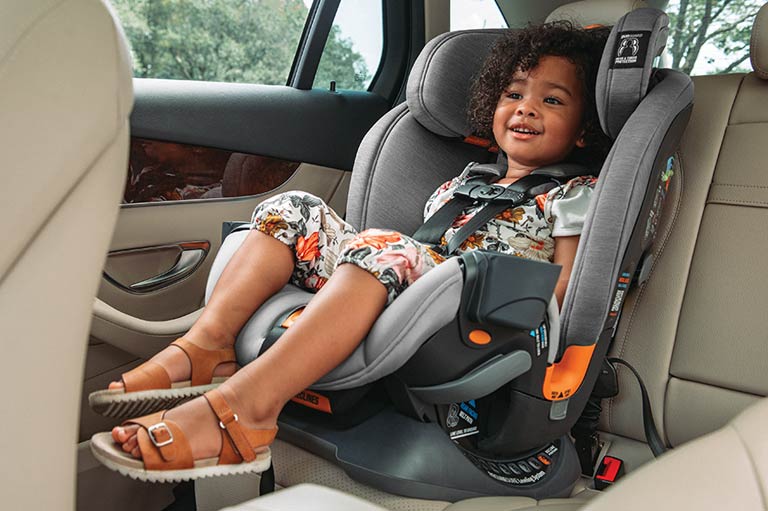
Follow a step-by-step approach when you forward face car seat:
- Read the manual: Check both the car seat and vehicle manuals for installation instructions and limits. Look for forward-facing belt path, tether anchor location, and allowed recline.
- Measure weight and height: Weigh your child and measure their height before attempting the switch. Use current numbers, not estimates.
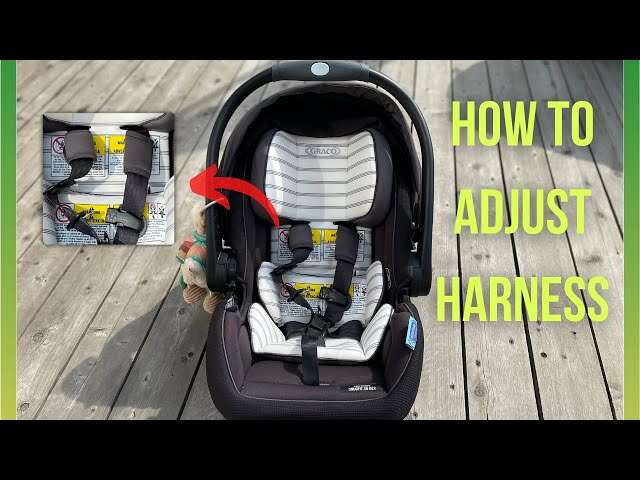
- Adjust the harness: When forward facing, harness straps should be at or slightly above the shoulders. Check you are using the correct slots in the shell.
- Use the top tether: Always attach and tighten the top tether when the seat is forward facing to reduce forward motion. It helps hold the head back in a crash.
- Check angle and fit: Ensure the seat is installed tightly and does not move more than an inch side-to-side or front-to-back at the belt path. Re-check after a few drives.
Small checks to do after you forward face car seat:
- Do a pinch test on the harness. No slack should be pinched at the collarbone. Chest clip at armpit level.
- Confirm the seat base angle is correct for forward facing per the manual. Some seats have a level line or indicator.
LATCH vs. seat belt: which to use forward-facing?
- Use either lower anchors (LATCH) or the vehicle seat belt, not both, unless the car seat says you can.
- Know your limits. Many seats have a child weight limit for LATCH. If your child is at or over that limit, use the seat belt install instead. Always use the top tether.
- Seat belt install tips: Lock the belt if your vehicle allows, or use the car seat’s built-in lock-off if provided.
Where to install the seat in your car
- Pick a seating position with a tether anchor you can reach. Most outboard positions have one. Many center spots do too.
- The safest spot is the one that gives you the best install. A tight, correct install beats a loose center install every time.
- Watch for headrest interference. Your vehicle headrest may need to be adjusted or removed per your manual.
Harness comfort and fit tips
- Straps flat, not twisted. Twists reduce performance.
- Dress in thin layers. Avoid bulky coats. Add a blanket over the harness if needed.
- Check the crotch buckle and chest clip sit flat and at the right height.

Common mistakes and myths about forward facing
Parents often make the same errors when they forward face car seat. Avoid these pitfalls:
- Mistake: Switching because the child fusses. Reality: Fussing is normal and not a safety reason to forward face car seat early. Try snacks, songs, or a new mirror for comfort when rear-facing.
- Mistake: Using booster mode too soon. Reality: Booster seats need mature torso control and specific height requirements. Keep the five-point harness until your seat’s forward-facing limits.
- Myth: Age alone decides when to forward face car seat. Reality: Weight and height limits matter more than age alone. Always check both manuals.
- Mistake: Skipping the top tether. Reality: The tether is key for forward-facing. It can reduce head movement by several inches.
- Mistake: Adding aftermarket pads or strap covers. Reality: If it did not come with the seat, do not use it unless your manual says it is allowed.
- Mistake: Loose install or loose harness. Reality: The seat should move less than an inch at the belt path. The harness should pass the pinch test every ride.
A few practical reminders. Never use the vehicle seat belt in place of a harness for young children. After you forward face car seat, keep the child in a five-point harness until they meet the seat’s forward-facing limits.
Choosing the right forward-facing seat (convertible, combination, all-in-one)
If your child is moving out of rear-facing soon, make sure the next stage is a good fit:
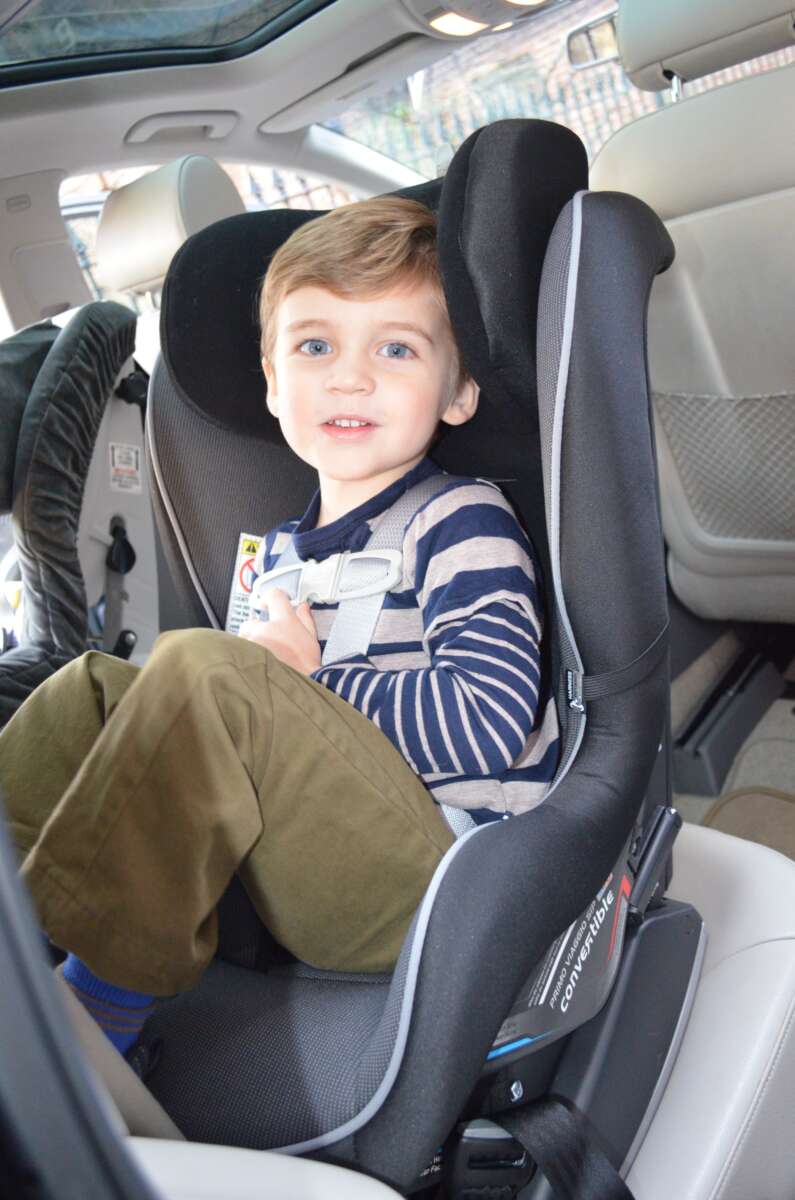
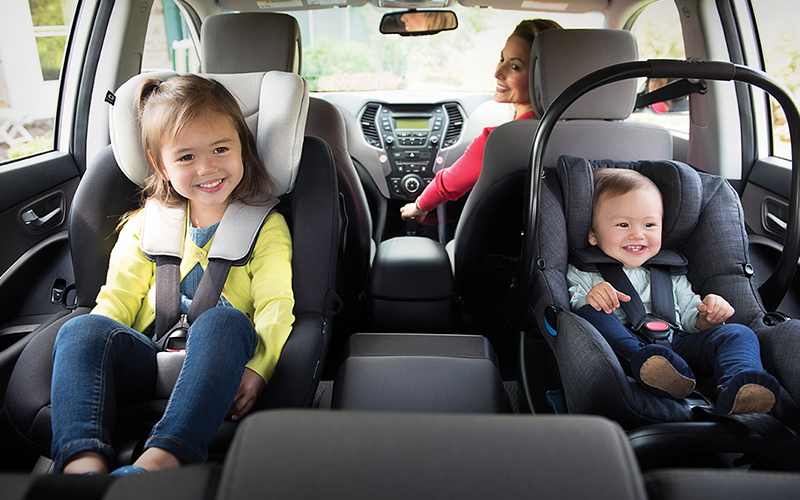
- Convertible car seat: Rear-facing first, then forward-facing with harness. Great for extended rear-facing.
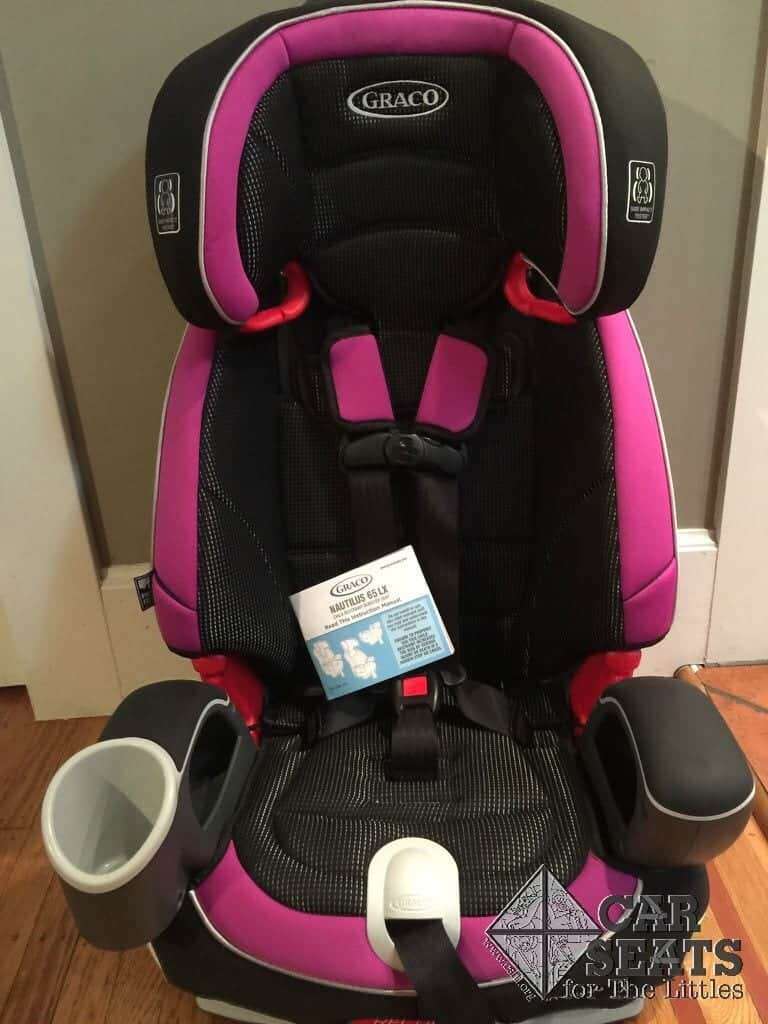
- Combination seat (harness-to-booster): Forward-facing only with harness, then high-back booster later. Useful for older toddlers and preschoolers who meet forward-facing rules.
- All-in-one seat: Rear-facing, forward-facing, and booster in one. Good long-term value if it fits your car and your child well.
Look for features that help real families: easy-to-read recline angles, built-in lock-offs, no-rethread harness, high harness height, strong headrest support, and accessible tether routing. Make sure it fits your vehicle at the spot you plan to use.
Troubleshooting fit, comfort, and common install issues
- Seat tilts or loosens after a week: Re-check belt lock or LATCH connection. Switch to the other method if needed. Always re-tighten the tether.
- Harness rubs the neck: Adjust the headrest height. Use the seat’s approved strap covers if included.
- Child slumps when asleep: Check that the recline angle is within the allowed forward-facing range. Tighten the harness a bit more.
- Hard to get a tight install: Try a different vehicle seat position. Sometimes outboard installs tighter than center, or vice versa.
Legal rules and safety recommendations
Laws vary by state and country, but safety guidelines align around common points. Many jurisdictions require rear-facing for at least the first year or until a stated weight. Best-practice safety groups recommend rear-facing until at least age 2, and longer when possible. In the U.S., most vehicles made in recent years have tether anchors for forward-facing seats. Use them every time.
Checklist before you forward face car seat for legal and safe travel:
- Verify local laws on rear-facing and forward-facing ages and weights. Laws are the minimum. Best practice often goes beyond the law.
- Confirm your car seat registration and recall status. Register your seat so the maker can contact you if needed.
- Keep the car seat manual and vehicle manual handy for installation rules. Flag pages for forward-facing belt path, LATCH limits, and tether anchors.
If you are unsure, a certified child passenger safety technician (CPST) can inspect your installation and advise when to forward face car seat for your child.
Personal experience and practical tips
From my experience helping many families, these tips helped the most when they forward face car seat:
- Be patient. I once advised a parent to wait three extra months and it avoided a premature switch. Their child stayed rear-facing until hitting the height limit, not just a birthday.
- Use distraction for short rides. Snacks, songs, and soft books can ease the transition while you wait for the right time to forward face car seat.
- Practice tight installs. A seat that moves is a common error I saw in inspections. I teach parents to check movement at the belt path every week.
Lessons learned:
- I learned to always double-check harness heights and tethers after a switch. A quick re-check catches most issues.
- I found that parents trust hands-on walkthroughs more than rules. If possible, have someone inspect your install when you forward face car seat for the first time.
Special situations: travel, carpools, and winter weather
- Rideshares and carpools: Move the manual with the seat. Take a quick photo of your install so you can copy it later.
- Air travel: Many forward-facing harness seats are FAA-approved for planes when used with the aircraft seat belt. Check the label on your seat.
- Cold weather: Skip bulky coats in the seat. Use thin layers and place a blanket over the harness after buckling.
Care, expiration, and crash replacement
- Expiration: Seats do expire. Check the label for the date of manufacture and lifespan. Old plastics and parts can weaken.
- Recalls: Register your seat and check for recalls each year and after a move.
- After a crash: Follow the car seat maker’s crash policy. Many require replacement after any crash, even if damage is not visible.
- Cleaning: Follow the manual. Do not bleach straps or use harsh cleaners. They can weaken fibers.
PAA-style quick questions
Will switching early harm my child when I forward face car seat?
- Yes. Switching too early can increase the risk of neck and spinal injuries in a crash. Keep children rear-facing until they meet the seat’s forward-facing limits.
How long should I keep my child rear-facing before I forward face car seat?
- Keep them rear-facing until they reach the seat’s rear-facing height or weight limit. Most children safely stay rear-facing until at least age 2, and many longer.
Can tall toddlers forward face car seat earlier?
- Not necessarily. Even tall toddlers may be better rear-facing until they reach the forward-facing criteria. Always check the manual.
Is top tether required when I forward face car seat?
- In most cases, yes. The top tether reduces head movement and is required by many manufacturers when the seat is forward facing.
How often should I recheck the harness after I forward face car seat?
- Check the harness fit every few weeks as the child grows. Make small adjustments to keep the fit snug and safe.
Frequently Asked Questions of when to forward face car seat
How old should my child be before I forward face car seat?
Most experts recommend waiting until at least age 2, but age alone is not enough. Use your car seat’s weight and height limits as the primary guide.
Can I forward face car seat when my toddler reaches 20 pounds?
Weight alone is not enough. Check both the rear-facing and forward-facing weight and height limits before switching.
What harness position should I use after I forward face car seat?
Set the harness at or just above the shoulders when the seat is forward facing. The straps must sit flat and snug against your child.
Is it safe to forward face car seat for short trips only?
Safety is the same for short trips. Do not forward face car seat early just because trips are short. Follow the same rules for all rides.
Do child car seats expire, and does that affect when I forward face car seat?
Yes, car seats do expire and damage can affect performance. Check the expiration date and inspect the seat before making any transitions.
My child says the straps are tight. Should I loosen them?
No. Tight is right. You should not pinch slack at the collarbone. Use thin clothing, adjust the headrest, and check that the harness is routed correctly.
Are accessories like seat protectors and head supports okay?
Only use items included with the seat or listed as approved in the manual. Unapproved add-ons can change how the seat performs in a crash.
Which is safer: center seat or outboard?
The safest spot is the one that lets you get a correct, tight install with a tether. If the center is hard to install, use an outboard spot with a tether.
Conclusion
Timing the switch to a forward face car seat is about safety, not convenience. Follow your seat’s age, weight, and height limits, check harness and tether setup, and delay the switch if the child is not physically ready. Use the steps and tips here when you plan to forward face car seat and ask a certified technician for a check if you are unsure. Take action now: review your car seat manual, measure your child, and make a safe plan for the transition. Leave a comment with your experience or subscribe for more child passenger safety guides.