How Long Are Infant Car Seats Good For: Safety Timeline
Infant car seats are typically safe for about 6 to 10 years from the manufacture date.
I’ve spent years testing seats, teaching families, and troubleshooting real-life installs. In this guide, I’ll walk you through exactly how long are infant car seats good for, why they expire, how to find the date, what to do after a crash, and smart ways to buy or pass on seats. I’ll share practical steps you can use today—plus a few lessons I’ve learned in the field—to keep your baby safe and avoid common mistakes.
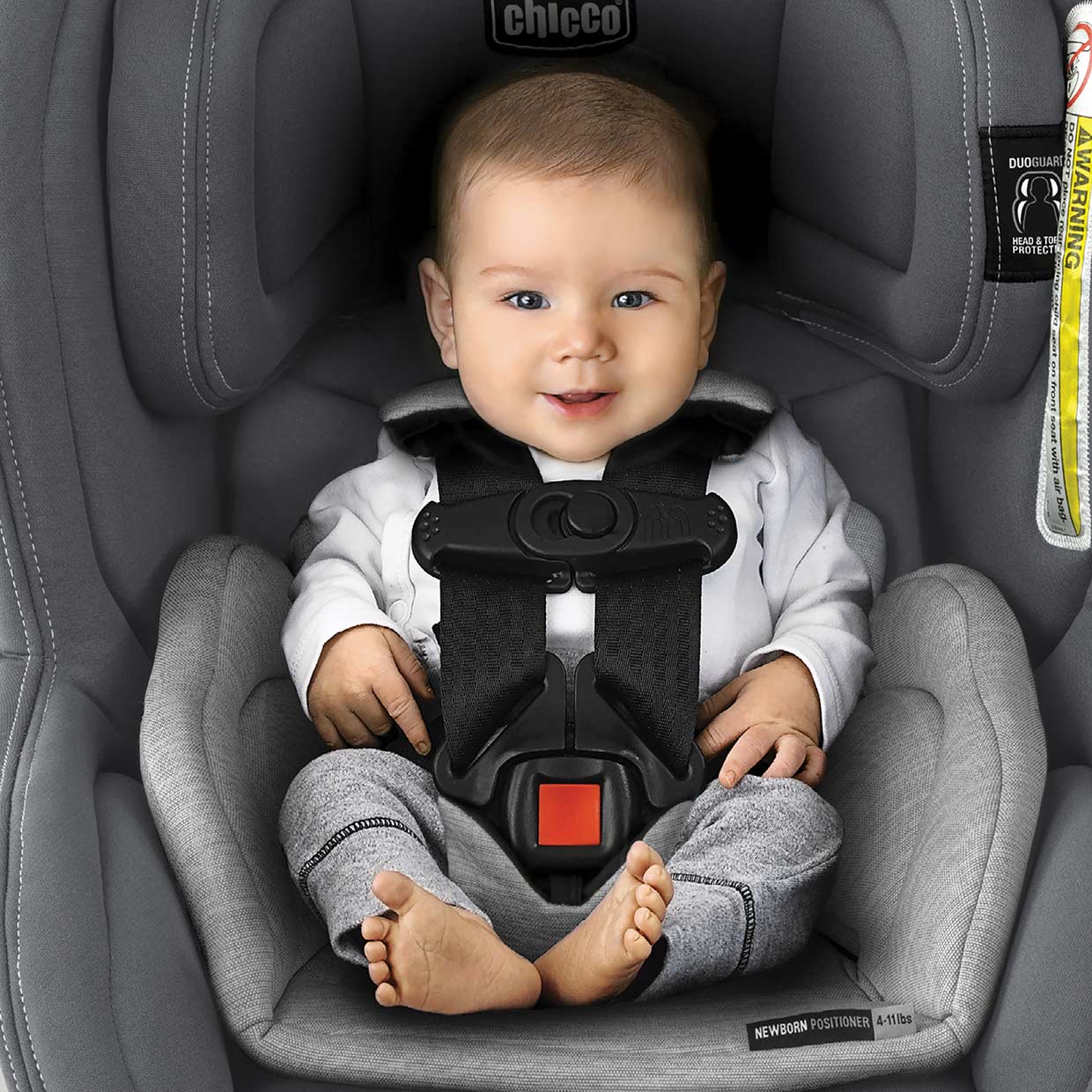
Understanding the typical lifespan of an infant car seat
Most infant car seats list an expiration date set by the manufacturer. It’s usually 6 to 10 years from the date the seat was made—not the day you bought it. That’s what the phrase how long are infant car seats good for is really asking.
Why the range? Different brands use different plastics, foams, and metal parts. They also test to their own internal standards on top of federal rules. Some companies support replacement parts longer than others. All of that affects the labeled lifespan and the car seat expiration date you’ll see on the shell, base, or both.
Two quick notes I share with every parent:
- The carrier and the base may have different manufacture or expiration dates. Check both.
- If no “expiration” is printed, use the “manufacture date” and the number of years listed in the manual to calculate it.
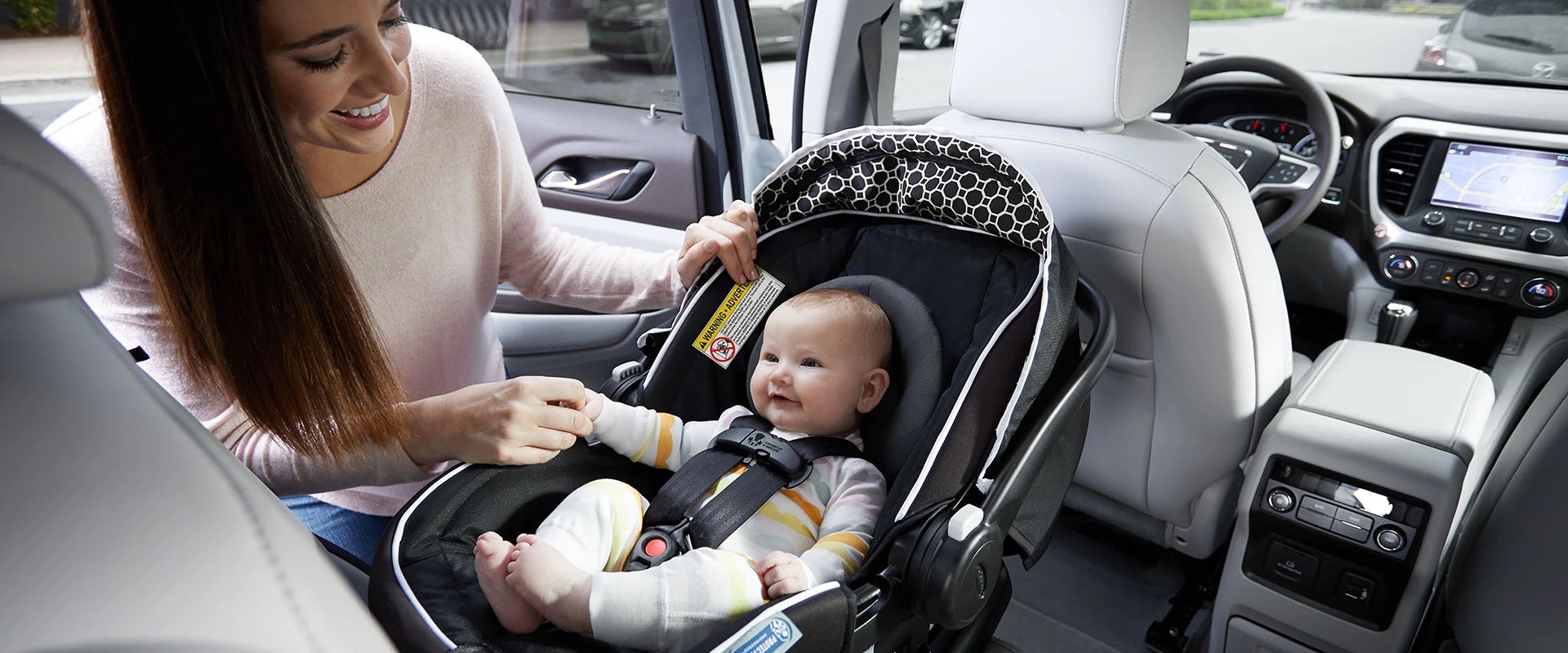
Why infant car seats expire
Car seats face heat, cold, sunlight, and daily use. Even sitting in a closet, materials age. UV light and temperature swings weaken plastic. Webbing can dry out. Foam can lose its energy-absorbing punch. Adhesives and buckles can change with time.
There’s another reason. Safety standards evolve. Seats are designed and tested to Federal Motor Vehicle Safety Standard 213. As testing methods improve and vehicles change, manufacturers update designs. Newer seats often fit today’s vehicles better and add features like load legs or anti-rebound protection. That’s why the answer to how long are infant car seats good for ties to both material aging and current safety science.
Bottom line: expiration dates make sure a seat performs as intended, that parts are still available, and that the seat reflects the latest knowledge about crash performance.

How to find the expiration or manufacture date
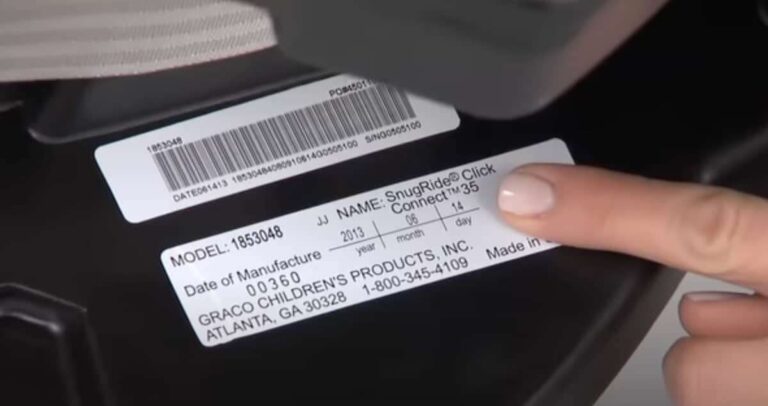
Start with the label on the shell or base. Look for a sticker with “manufacture date,” “DOM,” “serial number,” “model number,” and sometimes “Do not use after.” If you only see a manufacture date, add the number of years listed in the manual to find the expiration.
If the label is missing or unreadable, contact the brand with the model and serial number. Many seats also have a date molded into the plastic—often on the underside. I suggest you snap a photo of the label and keep it with your baby gear records and warranty info. While you’re there, register your seat with the manufacturer so you’ll get recall notices fast.
Key factors that affect an infant car seat’s lifespan
- Climate and storage: Hot cars, attics, and sunny windows speed up aging. A cool, dry place slows it down.
- Usage patterns: Daily installs, frequent vehicle swaps, and heavy travel add wear and tear.
- Cleaning habits: Harsh cleaners can damage harness webbing and foam. Stick to the brand’s instructions.
- Part availability: Older models may be out of support, which affects safe repairs and replacements.

Signs you should replace an infant car seat
Replace the seat if it’s past its expiration date. Replace it after a moderate or severe crash—even if the seat looks fine. Replace it if any key parts are cracked, warped, chewed, or missing. Replace it if the harness is frayed, sticky, cut, or won’t hold tight.
Also replace when labels are gone (you need them for proper use), when the shell is sun-faded with chalky plastic, when adjusters slip, or when the seat no longer installs tightly in your vehicle. These checks answer both “how long are infant car seats good for” and how long they remain safe after use.
Height and weight limits: when baby outgrows the seat
Infant car seats are “rear-facing only.” Most top out between 22–35 lb, with a standing height limit near 30–32 inches. Fit matters more than the calendar:
- Weight limit reached: switch to a rear-facing convertible seat.
- Height limit reached: many brands use the “1-inch rule.” When your child’s head is within 1 inch of the top of the shell (not the headrest), it’s time to move up—even if the weight limit isn’t met.
- Harness fit: straps should be at or below the shoulders for rear-facing, with the chest clip at armpit level.
If baby outgrows the seat before it expires, pass it to a younger sibling only if it’s not expired, never crashed, and in great condition.

After a crash: what to know
Crash forces can cause hidden damage inside the shell. Many manufacturers say to replace the seat after a moderate or severe crash. For minor crashes, follow the maker’s crash replacement policy.
When I help families, I use the widely cited “minor crash” criteria. If all are true, some makers allow continued use:
- The vehicle could be driven away from the crash.
- The door nearest the car seat was not damaged.
- No one in the vehicle was injured.
- No airbags deployed.
- There is no visible damage to the car seat or base.
Keep photos and all documentation. Ask your auto insurer if they will replace the seat. If you replace it, clearly mark the old one “CRASHED—DO NOT USE” before disposal so no one picks it up secondhand.

Can you buy or accept a used infant car seat?
Used seats can save money but add risk. Never use a seat with unknown crash history, missing parts, or no label. Avoid seats past the expiration date or made before current standards. If you accept a hand-me-down, check the label, manual, and registration with the manufacturer for recalls. These steps directly relate to deciding how long are infant car seats good for in a second-hand context.
I also look for counterfeits and alterations. Beware of off-brand listings that don’t reference U.S. standards, have flimsy webbing, or lack real instructions. Do not use seats with washed or bleached harnesses, homemade pads, or missing chest clips. When unsure, have a certified technician inspect it through your local hospital, fire department, or safety coalition.
Infant car seat bases and accessories: what to know
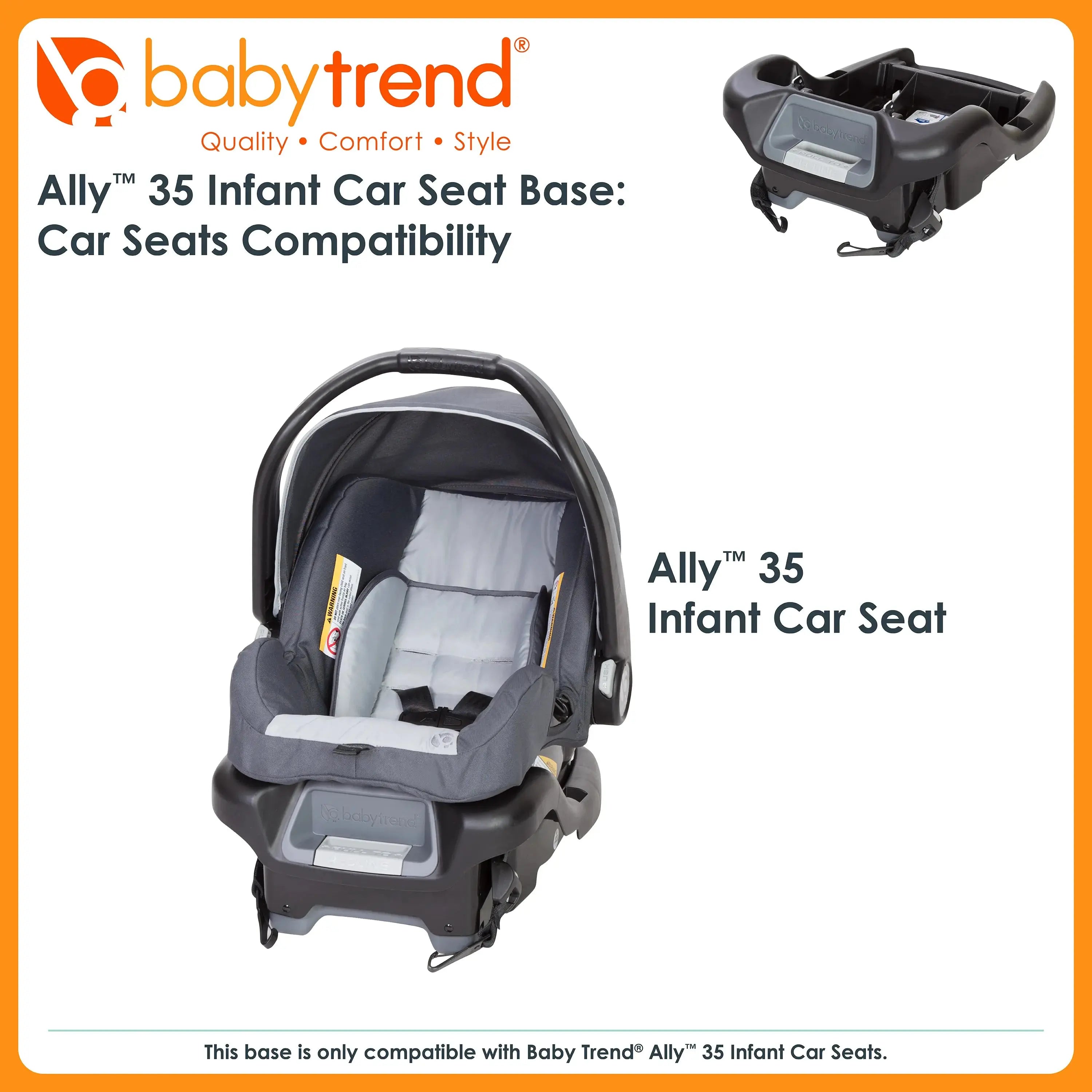
- Bases can have their own expiration date. Check each base you use in different cars.
- Only use accessories that came with the seat or are approved by the brand. Unapproved inserts, strap covers, and head supports can change crash performance.
- Always confirm stroller compatibility with your infant carrier using the brand’s list or approved adapters.
src="https://res.cloudinary.com/babylist/image/upload/f_auto,q_auto:best,c_scale,w_1200/v1657134052/hello-baby/How_Long_Are_Car_Seats_Good_For_Header.jpg"
alt="Storing and caring for your infant car seat to maximize useful life”
style=”max-width: 100%; height: auto; border: 2px solid black; border-radius: 10px; display: block; margin: 0 auto;”
loading=”lazy”
/>
Storing and caring for your infant car seat to maximize useful life
Store seats out of direct sunlight and away from extreme heat. Keep the manual and label with the seat. Clean only with manufacturer-approved cleaners to protect foam and webbing. Periodic inspection helps you spot small problems before they become reasons to replace the seat.
Here’s what I recommend for routine care:
- Wipe the shell with mild soap and water. Avoid solvents.
- Spot-clean the harness with a damp cloth. Don’t soak, bleach, or machine-wash the straps.
- Clean buckles with water only—no soaps or oils. Let them air dry.
- Shake out the base and check the recline angle and level each re-install.
How to register your seat and check for recalls
Registering your seat ensures you get recall notices fast. Use the card in the box or the brand’s website. Keep your model and serial numbers handy (a quick phone photo works great). I also set a calendar reminder to re-check for recalls about twice a year and after any major trip.
Travel and installing without the base
Air travel and rideshares often mean installing the carrier with a seat belt. Practice a seat belt install at home so it’s stress-free on the road. Learn the correct belt path (some seats have a European belt path that adds stability). Bring your manual or download a copy to your phone. If your seat is FAA-approved, you’ll see it on the label.
How to dispose of an expired or crashed seat
- Write “EXPIRED—DO NOT USE” or “CRASHED—DO NOT USE” in permanent marker.
- Remove the harness and cover when possible to deter reuse.
- Check for local car seat recycling or trade-in events. Some retailers offer periodic trade-in programs with discounts.
- If recycling isn’t available, dispose of it in a way that prevents scavenging.
Personal experience, lessons, and common mistakes
I once advised a family who kept a seat in a hot garage for years. The harness webbing stiffened and the shell showed subtle warping. They were surprised that how long are infant car seats good for depends on storage, not just age. Lesson learned: treat car seats like safety gear. Store wisely and replace at the first sign of damage.
Another common one I see: parents check the carrier’s date but forget the base. The base had expired six months earlier. Since then, I always say, “Check both parts, every time.” Small habits like that make a big safety difference.
Finally, winter coats and bulky inserts can lead to a loose harness. If the straps look snug but compress with a coat, it’s not safe. Use thin layers and a blanket over the top after buckling.

Quick practical checklist
- Check the label for manufacture and expiration dates right away.
- Replace after a moderate or severe crash, or if the seat is expired.
- Confirm no open recalls and that all parts work.
- Avoid used seats without clear history or missing manuals.
- Store the seat in a cool, dry place and follow cleaning rules.
- Re-check tightness and recline angle at each reinstall.
- Verify your child still fits within the weight and height limits.
PAA-style questions
Can I use an infant car seat past its expiration date?
No. Using a seat past the expiration date is unsafe because parts can degrade and performance is not guaranteed.
Does sunlight ruin a car seat?
Yes. Prolonged sunlight can weaken plastics and foam and shorten the useful life of the seat.
Is it safe to use a car seat after a small crash?
Follow the manufacturer’s guidance. Many recommend replacement for moderate or severe crashes; for minor crashes, confirm with the maker.
Frequently Asked Questions about how long are infant car seats good for
How do I find the manufacture date on my infant car seat?
Look for a sticker or molded label on the seat shell. The label typically lists a manufacture date, model number, and sometimes the expiration date.
Can a car seat be repaired if a buckle breaks?
Only repair using parts and instructions from the manufacturer. Do not jury-rig fixes; improper repairs can make the seat unsafe.
Is it OK to use a seat that was in a fender bender?
If the crash was very minor and the manufacturer permits reuse, it might be OK. Always check the maker’s crash policy before continuing use.
Do child car seat laws set expiration rules?
Laws rarely mention expiration dates; they focus on correct use and harnessing. Manufacturers set expiration dates and industry best practice follows those dates.
How often should I replace the seat if my child outgrows it quickly?
Replace when the child exceeds the seat’s weight or height limits. The question of how long are infant car seats good for also depends on matching the seat to your child’s size.
Do car seat bases expire too?
Yes. Bases usually share the same or a similar expiration window as the carrier. Check each base’s label.
Can I move an infant seat between cars?
Yes, if you can achieve a secure install each time. Keep extra bases for frequent swaps, or practice the seat belt install so it’s quick and tight.
Are older siblings’ seats safe for new babies?
Only if the seat is within its lifespan, has never been in a crash, is complete with labels and manual, and shows no damage. If any of those are missing, don’t use it.
Conclusion
Knowing how long are infant car seats good for helps you make smart, safe choices. Check the label, follow manufacturer guidance after crashes, and replace seats that are expired, damaged, or recalled. Take action today: verify your seat’s manufacture and expiration dates, register your seat with the manufacturer, and store it properly. If you found this guide helpful, share your experience, subscribe for more safety tips, or leave a comment with your questions.