

Use shade, window covers, ventilation, and UV protection to limit heat damage inside your car.
Learning how to protect car interior from heat damage is easier when you understand what sunlight and trapped heat do to dashboards, seats, trim, and electronics. The right habits can reduce fading, cracking, odors, and costly repairs, even during a hot American summer.
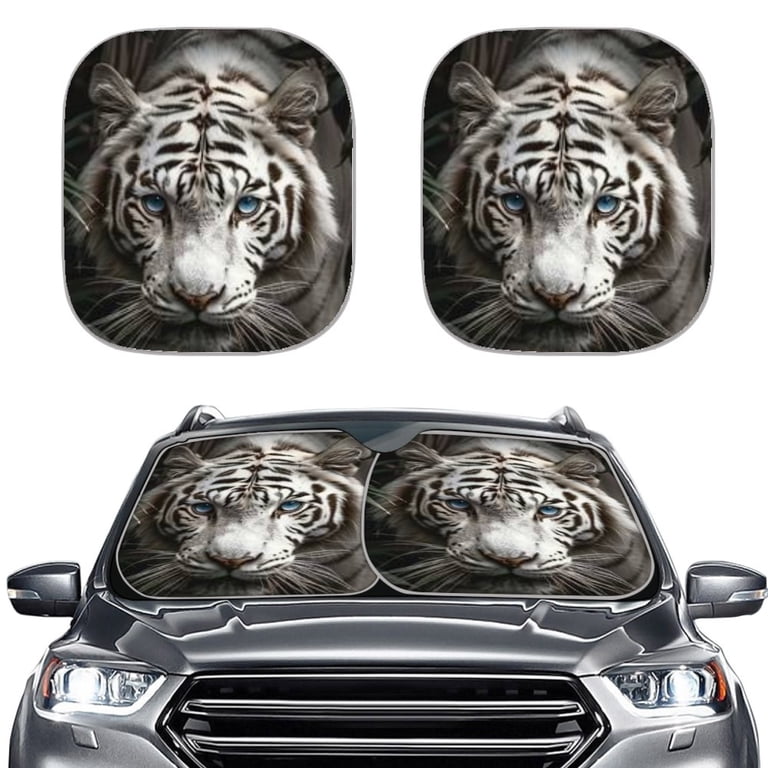
Why Car Heat Damages the Interior
A parked car can become much hotter than the outdoor air. On a sunny day, the cabin may reach more than 120°F, even when the outside temperature is only 85°F. Dark materials, closed windows, and direct sunlight make the problem worse.
Heat damage usually comes from three forces working together:
• High cabin temperature softens plastics, dries leather, and weakens adhesives.
• Ultraviolet radiation fades fabric, vinyl, leather, and plastic trim.
• Rapid heating and cooling cause materials to expand, shrink, and lose moisture.
The dashboard often shows damage first. Constant sun exposure can cause discoloration, surface cracks, warping, and a sticky texture. Leather seats may become dry and brittle. Vinyl can harden, while plastic buttons and trim may fade or peel.
Modern vehicles also contain sensitive equipment. Touchscreens, digital displays, parking sensors, and climate controls can suffer from repeated heat stress. A single hot day may not cause visible harm, but months and years of exposure add up.
Understanding these risks is the first step in learning how to protect car interior from heat damage.

Park in the Shade Whenever Possible
The simplest way to protect a car interior from heat damage is to reduce direct sunlight. A garage offers the best protection, but it is not the only option.
Choose a shaded parking space near a building, under a parking structure, or beneath a healthy tree. Watch for falling branches, tree sap, bird droppings, and pollen. Shade is helpful, but a dirty surface can create a different cleaning problem.
If you park outside at home, consider a carport. A covered parking area blocks much of the sun and keeps the vehicle cooler. It also protects paint, tires, and rubber seals.
Try to think ahead before leaving for work, shopping, or an event. Parking in the shade may add a short walk, but that small choice can reduce long-term interior wear.
Keep in mind that shade moves during the day. A space that looks protected at 9 a.m. may sit in full sun by noon. For long parking periods, a windshield sun shade adds a second layer of protection.
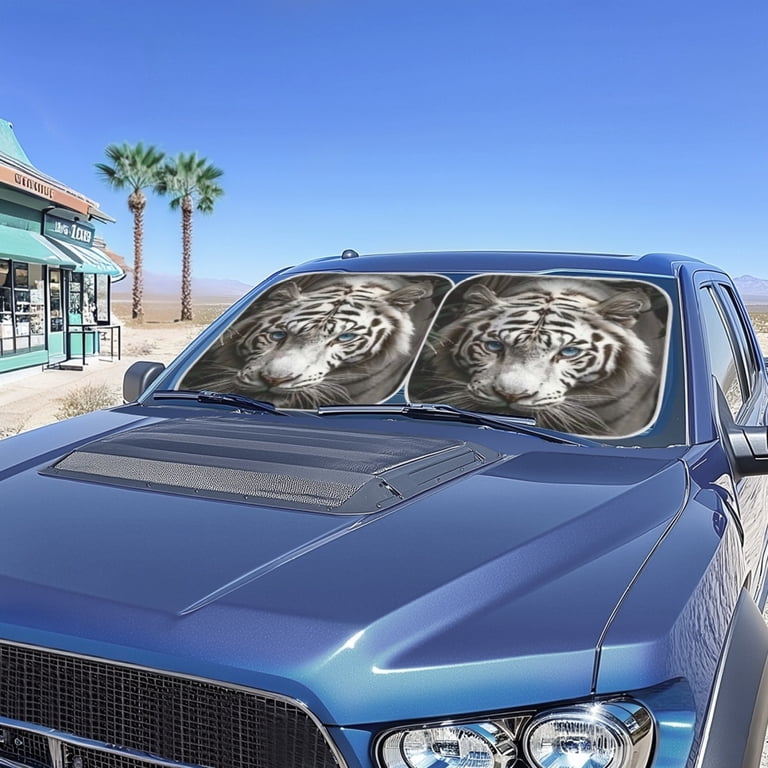
Use a Quality Windshield Sun Shade
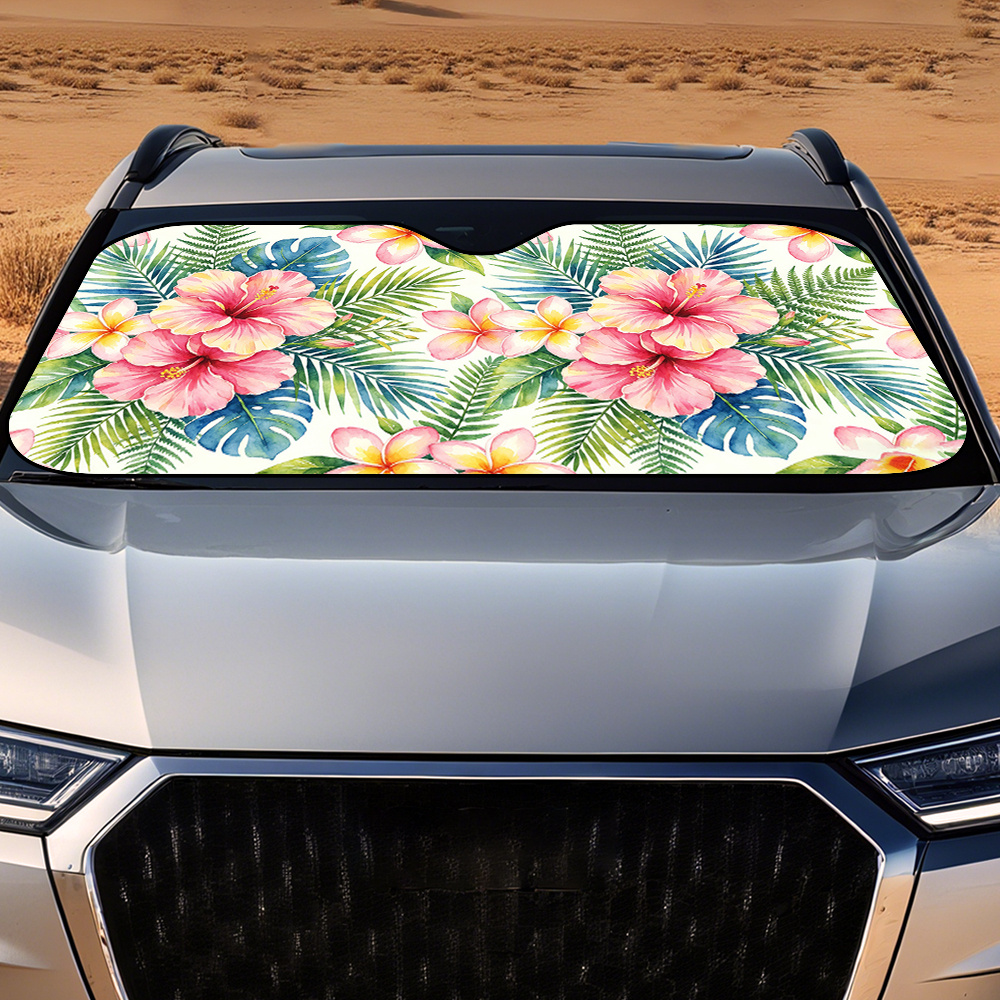
A reflective windshield sun shade is one of the best low-cost tools for heat protection. It reflects sunlight before it enters the cabin. This helps protect the dashboard, steering wheel, front seats, and electronics.
Choose a shade that fits the windshield closely. Large gaps allow sunlight to reach the dashboard. A stiff, accordion-style shade usually stays in place better than a thin sheet that curls at the edges.
Use the shade every time you park in direct sun, not only during extreme heat. UV exposure is cumulative. Repeated short trips can still cause fading over time.
For better results:
• Place the reflective side toward the outside.
• Cover the entire windshield from edge to edge.
• Secure the shade so it does not fall onto the dashboard.
• Store it flat or rolled according to the product instructions.
Side-window shades can also help. They protect door panels and rear seats from direct light. Some states regulate window tint and removable shades, so check local laws before installing or using them while driving.
A sun shade does not make the cabin cool. It simply slows heat buildup and blocks much of the sunlight. That limitation matters when you are deciding how to protect car interior from heat damage.

Add UV-Blocking Window Tint
Window tint can reduce solar heat and ultraviolet exposure. It may also make the cabin more comfortable and protect occupants from glare. However, tint quality and legal limits vary.
A professional installer can recommend a film based on your climate, vehicle, and state law. Ceramic tint often provides strong heat rejection without making the glass extremely dark. It may cost more than dyed film, but it can offer better performance and durability.
Do not assume darker tint always means better heat protection. Visible darkness and infrared heat rejection are different features. Ask the installer about UV protection, solar energy rejection, warranty coverage, and optical clarity.
Factory-tinted rear glass may already block some sunlight, but it does not always provide the same protection as aftermarket film. The windshield often remains the most important area because it receives direct sunlight and sits close to the dashboard.
Tint also has limits. It cannot prevent all heat buildup, and it will not protect parts that receive sunlight through an uncovered windshield. Use window tint with shade and ventilation for a complete plan.
Ventilate the Cabin Before Driving
A hot interior can feel like an oven when you open the door. Before turning on the air conditioner at full power, release some trapped heat.
Open the doors for a short time if you are parked in a safe place. You can also open the windows briefly before driving. Once the vehicle is moving, use the air conditioner and select fresh-air mode for a few minutes.
After the cabin begins to cool, switch to recirculation. This helps the air conditioner cool the already chilled cabin instead of pulling in hot outside air.
Never leave children, pets, or vulnerable adults in a parked vehicle, even with the windows open. The National Highway Traffic Safety Administration warns that vehicle interiors can reach dangerous temperatures quickly. Ventilation is a comfort step, not a safety solution.
Avoid running the engine in a closed garage. Carbon monoxide is odorless and can be deadly. Move the vehicle outdoors before using the air conditioner.
These steps support how to protect car interior from heat damage, but they also improve comfort and reduce the strain of entering a severely overheated cabin.

Protect the Dashboard and Plastic Trim
Dashboard materials need regular protection because they sit directly behind the windshield. Start by removing dust with a soft microfiber cloth. Dust can act like fine sand when rubbed across a hot surface.
Clean the dashboard with a product made for the material. Avoid household glass cleaner, alcohol-heavy sprays, and harsh degreasers. These products may dry plastic, leave residue, or damage a soft-touch coating.
Use a water-based interior protectant with UV protection if the vehicle maker permits it. Apply a small amount to a cloth rather than spraying directly onto vents, screens, switches, or the windshield.
Avoid glossy dressings. They can create windshield glare, make the dashboard slippery, and attract dust. A natural, low-sheen finish is usually safer and easier to maintain.
Do not place heavy objects on a hot dashboard. Heat can soften the surface, allowing items to leave dents or marks. Also keep suction mounts and adhesives away from areas that become very hot unless the product is designed for automotive use.

Keep Leather and Vinyl Seats From Drying Out
Leather needs moisture and protection, but too much conditioner can create problems. Begin by checking the owner’s manual. Some modern seats use coated leather, synthetic leather, or special finishes that require specific products.
Vacuum the seats before cleaning them. Grit trapped in seams can scratch the surface. Use a mild automotive leather cleaner, then apply a suitable conditioner in a thin layer.
Do not use household oils, petroleum jelly, or greasy products. They may darken the material, weaken stitching, attract dust, or leave a slippery film. Always test a product on a hidden area first.
Vinyl seats also benefit from gentle cleaning and UV protection. Keep the product away from perforations, seat belts, steering wheels, and pedals. A slippery steering wheel or pedal can create a serious safety risk.
Seat covers can help, especially for vehicles used in strong sun or high-heat regions. Choose breathable covers that fit correctly and do not interfere with airbags. Loose covers can block seat-mounted airbags or shift while driving.
One lesson many drivers learn too late is that prevention beats restoration. Once leather has deep cracks or vinyl has split, cleaning products cannot rebuild the lost material.

Care for Fabric Seats and Carpets
Fabric does not crack like leather, but heat and sunlight can still fade fibers and make stains harder to remove. Use a windshield shade and side-window protection to reduce direct exposure.
Clean spills quickly. Sugary drinks and food oils can leave residue that attracts dust and creates odors when the cabin heats up. Blot liquids with a clean towel instead of rubbing them deeper into the fabric.
For routine care:
• Vacuum seats and carpets often.
• Use an automotive fabric cleaner for stains.
• Let wet fabric dry fully before closing the car.
• Avoid soaking seat cushions, wiring, and floor insulation.
Moisture trapped under floor mats can encourage mold and unpleasant smells. After cleaning, park in a safe, ventilated area and allow the interior to dry.
Fabric protection sprays may help repel spills, but they are not a substitute for shade. Follow the label and avoid spraying near airbags, screens, or electrical controls.
Protect Electronics and Adhesives
Heat affects more than visible surfaces. It can weaken adhesive pads, soften phone mounts, and shorten the life of some electronic components.
Remove heat-sensitive items from the cabin whenever possible. This includes:
• Smartphones and tablets
• Aerosol cans
• Batteries and power banks
• Sunglasses
• Medication
• Food and drinks
• Plastic cards and discs
Never leave an aerosol can in a hot car. Pressure can rise as the can heats, creating a safety hazard. Medication may also lose effectiveness when stored outside its recommended temperature range.
Use mounts and organizers designed for automotive interiors. Cheap adhesive pads may melt or leave residue on a dashboard. If a mount becomes soft, remove it before it stains or pulls up the surface coating.
Do not place a cold drink on a hot touchscreen or dashboard. Sudden temperature changes can create condensation and stress materials. Let the cabin cool gradually when practical.
Choose Safe Interior Cleaning Products
Good cleaning habits are central to how to protect car interior from heat damage. Dirt, oils, and sweat can hold heat against surfaces and speed up wear.
Use products labeled for the exact material:
• Automotive glass cleaner for windows
• Interior cleaner for plastic and vinyl
• Leather cleaner and conditioner for finished leather
• Fabric cleaner for cloth seats
• Rubber-safe cleaner for seals and mats
Read the label and follow the contact time. More product is not better. Excess liquid can seep into switches, speakers, seat controls, and electronic modules.
Avoid bleach, strong ammonia, abrasive powders, and rough scrub pads. These may discolor trim or remove protective coatings. A soft microfiber towel is usually the safest starting tool.
Test unfamiliar products in a hidden spot. This simple step has prevented many costly mistakes, especially on older dashboards with delicate coatings.
Use a Car Cover With Care
An exterior car cover can protect the vehicle when it is parked for long periods. It blocks sunlight before it reaches the glass and interior.
Choose a breathable, weather-specific cover that fits securely. A loose cover can flap in the wind and scratch the paint. A nonbreathable cover may trap moisture, which can cause mildew or corrosion.
Never put a cover over a dirty vehicle. Dust and grit trapped between the cover and paint can create fine scratches. Clean the car first, and keep the cover itself clean.
A cover is less practical for daily errands. It takes time to install and remove, and using it in public areas may attract unwanted attention. For regular parking, shade and a windshield sun shade are usually more convenient.
Create a Simple Heat Protection Routine
The most effective plan is one you will use consistently. A basic routine can take less than a minute.
Before leaving the car:
Park in shade when available.
Place the windshield sun shade correctly.
Close the windows and lock the vehicle.
Remove electronics, medication, and heat-sensitive items.
Check that no child or pet remains inside.
When returning:
Inspect the cabin for unusual heat or damage.
Open the doors or windows briefly in a safe place.
Start the air conditioner using fresh air first.
Switch to recirculation after the cabin begins to cool.
Wipe sweat, spills, or dust from surfaces as soon as possible.
Once a month, inspect the dashboard, seats, door panels, and window tint. Look for fading, cracks, peeling, sticky areas, or loose trim. Early action is cheaper than replacing an entire dashboard or seat panel.
This routine combines comfort, safety, and long-term vehicle care. It is also the most practical answer for drivers asking how to protect car interior from heat damage.
Common Mistakes to Avoid
Some popular habits can cause more harm than good. Avoid these mistakes when caring for a hot car interior:
• Using cooking oil or household polish on leather or plastic. These products can leave residue and attract dust.
• Spraying cleaner directly onto screens, vents, or switches. Liquid may enter electrical parts.
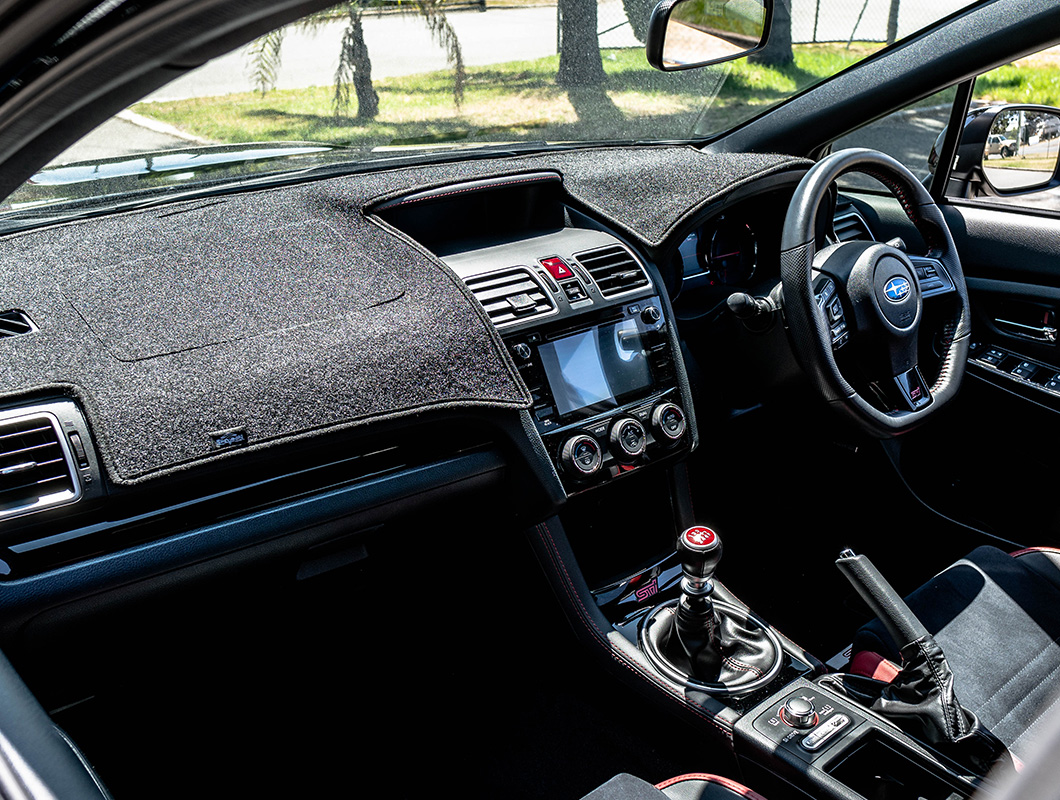
• Using a dark dashboard mat without checking its fit. A poor fit can block vents, create glare, or interfere with airbags.
• Leaving windows open in an unsafe area. Heat control should never reduce vehicle security.
• Choosing illegal window tint. Excessively dark front glass can reduce visibility and lead to a traffic stop.
• Cooling a very hot surface with ice or cold water. Fast temperature changes may stress glass, plastic, and coatings.
• Ignoring a cracked dashboard. Cracks can spread and may create sharp edges or affect airbag deployment areas.
If the dashboard near an airbag is cracked, warped, or lifting, ask a qualified technician for advice. Do not cover or repair an airbag panel with an unapproved material.
Frequently Asked Questions About How to Protect Car Interior From Heat Damage
What is the best way to protect a car interior from heat?
Use a windshield sun shade, park in the shade, and apply suitable UV protection to interior surfaces. Window tint and regular cleaning add extra protection, but no single method blocks all heat and sunlight.
Does a car sun shade really work?
Yes, a properly fitted reflective sun shade reduces direct sunlight and slows heat buildup near the dashboard. It works best when used every time the car is parked in direct sun.
Can heat crack a car dashboard?
Repeated heat and UV exposure can dry, shrink, and weaken dashboard materials. Over time, this may lead to fading, warping, sticky surfaces, or cracks.
Does window tint protect the car interior?
Quality window tint can reduce ultraviolet radiation and solar heat through the glass. Tint performance varies, so check the film specifications and local laws before installation.
Should I leave my car windows slightly open in hot weather?
A small opening may allow some heat to escape, but it also creates security and weather risks. Never leave windows open when the vehicle is unattended in an unsafe area.
How often should I condition leather car seats?
Conditioning frequency depends on the leather type, climate, and product instructions. In a hot, dry climate, cleaning and conditioning every few months may help, but over-conditioning can leave a greasy surface.
Can I use household cleaner on my car dashboard?
It is better to use a cleaner made for automotive interiors. Household cleaners may contain ingredients that dry plastic, damage coatings, create glare, or leave residue.
Conclusion
Protecting your car interior from heat damage starts with simple habits: park in shade, use a windshield sun shade, reduce UV exposure, clean surfaces gently, and keep sensitive items out of the cabin. Leather, vinyl, fabric, plastic, electronics, and adhesives all need slightly different care.
The best results come from using several small defenses together. Make a sun shade part of your parking routine, inspect the interior each month, and deal with spills or cracks early. Put these steps into practice today, then explore your vehicle manufacturer’s care guide or share your own heat protection tips in the comments.